Peanut vs Groundnut Oil: Nutritional Profiles and High-Heat Cooking Tests
 By Sophia Al-Mansoor
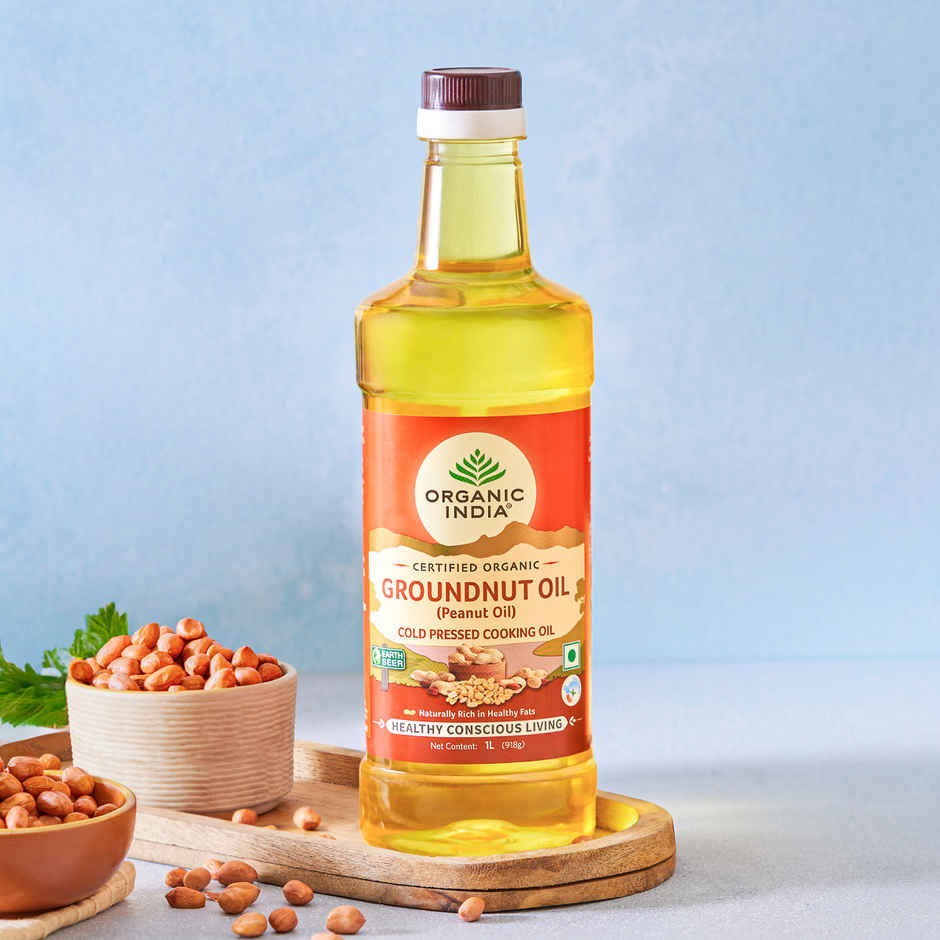
Q1: Can I swap cold-pressed groundnut oil into recipes calling for refined peanut oil?
Only in low-heat preparations. If a recipe calls for deep frying or wok searing at **190°C** (375°F) or above, cold-pressed groundnut oil will smoke aggressively and turn bitter. Use cold-pressed versions for light tempering, baking, or dressings where its earthy peanut fragrance is welcome.
Q2: Why does unrefined groundnut oil solidify in colder kitchens?
Unrefined cooking oil retains higher concentrations of longer-chain saturated fatty acids, such as arachidic, behenic, and lignoceric acids. These specific saturated fractions have higher melting points, causing cloudy suspensions or solid crystallization when indoor temperatures drop below **12°C to 15°C** (54°F to 59°F).
Q3: How should I store unrefined cooking oil to prevent it from going rancid?
Because cold-pressed varieties retain enzymatic materials and polyunsaturated linoleic acid without synthetic preservatives, keep them in dark glass or metal containers away from direct heat and sunlight. Use them within **6 to 9 months** of opening, compared to refined peanut oil, which easily lasts **12 to 18 months** in a dark pantry.
Sophia analyzes international trade, startup ecosystems, retail transformation, and supply chain logistics for modern digital publications.
