No, a Pony Isn't a Baby Horse: the Everyday Myth Millions Still Get Wrong
 By David Miller
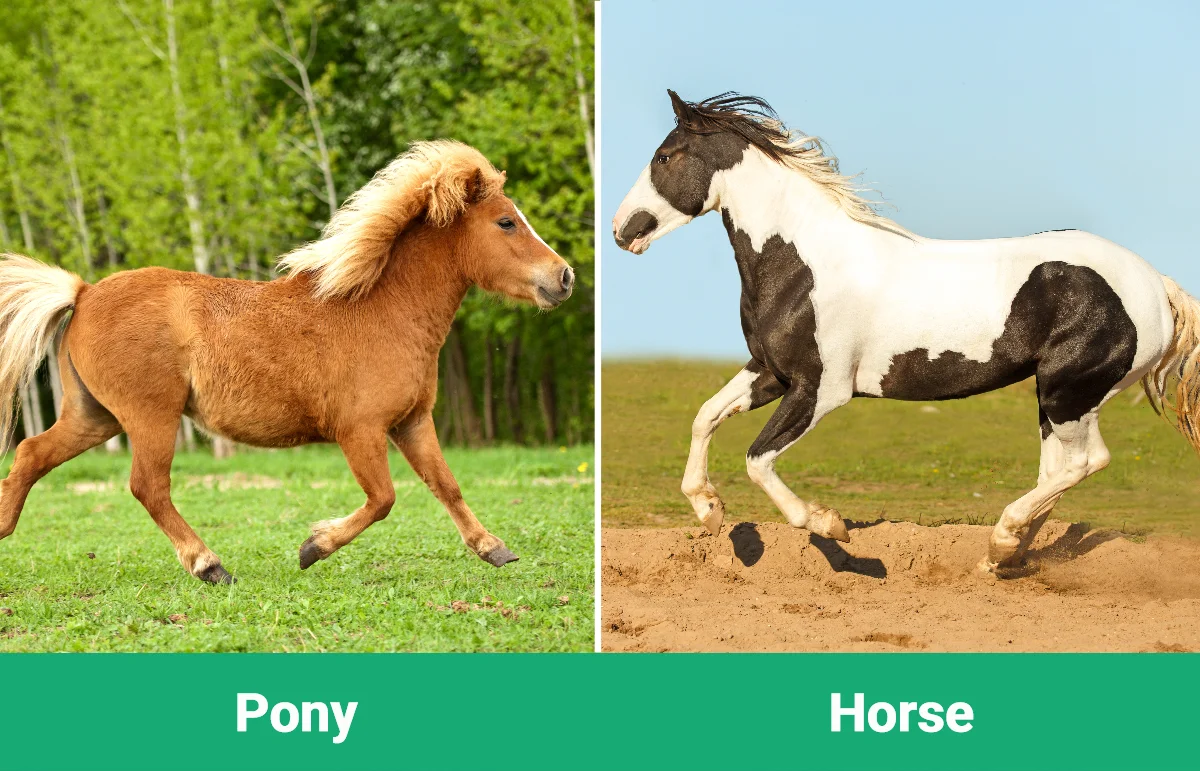
Spend time around equestrians, and you will hear ponies labeled as cunning, stubborn, or wicked. The characterization is unfair, though rooted in an undeniable behavioral reality: ponies are exceptionally clever and possess an acute sense of self-preservation.
A 1,200-pound Warmblood will often comply with repetitive ring drills out of passive habit or human deference. Ponies rarely operate on blind compliance. Surviving unforgiving moorlands required quick independent problem-solving and strict conservation of physical energy. If a task offers no clear benefit or causes physical discomfort, a pony quickly calculates the minimum effort required to decline.
Ponies also learn operational tasks with alarming speed. Stable hands routinely find that it is the barn pony, not the grand prix dressage horse, that figures out how to lift stall latches, work water valves, or maneuver feed bin lids open.
Because of their smaller stature, ponies are often handled, trained, and ridden by young children who lack the timing, balance, and firmness of adult riders. Ponies quickly discover that ducking a shoulder or stopping abruptly at a jump will deposit an unbalanced rider onto the dirt, instantly ending the work session. What casual observers write off as stubbornness is almost always a mix of high intelligence and opportunism meeting inconsistent human cues.
David Miller brings 15 years of experience in global economics, personal finance strategy, and market dynamics. He specializes in turning complex economic trends into actionable insights for everyday readers.
