Ms. Vs. Miss Vs. Mrs. : the Definitive Visual Etiquette Comparison Guide
 By James H. Sterling
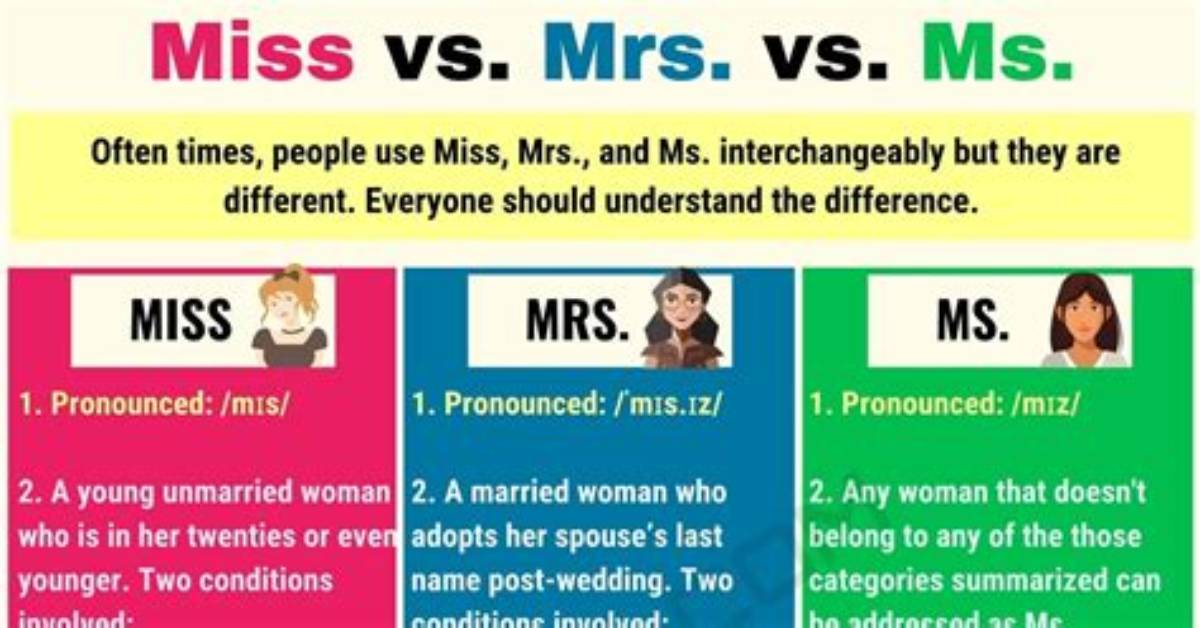
The most frequent source of day-to-day confusion is acoustic. In spoken conversation, many people blur the line between titles, inadvertently turning an executive greeting into an awkward mispronunciation.
Miss is pronounced with a sharp, voiceless "s" sound: /mɪs/. It rhymes precisely with hiss, kiss, and bliss. The vowel is short, and the final consonant terminates abruptly with crisp airflow against the front teeth.
Ms. is pronounced with a voiced "z" sound: /mɪz/. It rhymes with fizz or quiz. Producing this sound requires engaging the vocal cords at the tail end of the word, creating a gentle vibration.
Mrs. introduces a second syllable entirely: /ˈmɪs.ɪz/ or /ˈmɪz.ɪz/. It sounds identical to "missus."
In spoken executive introductions, distinguishing /mɪs/ from /mɪz/ is the clearest auditory marker of linguistic precision. If you are introducing a keynote speaker or addressing a panelist, anchoring the pronunciation of Ms. to the voiced "z" sound ensures an articulate, professional delivery.
James Sterling reports on renewable energy developments, climate policy, ecological conservation, and green tech innovations around the globe.
