Moon Kanji Breakdown: How to Write and Read 月 in Native Japanese Contexts
 By Robert Thorne
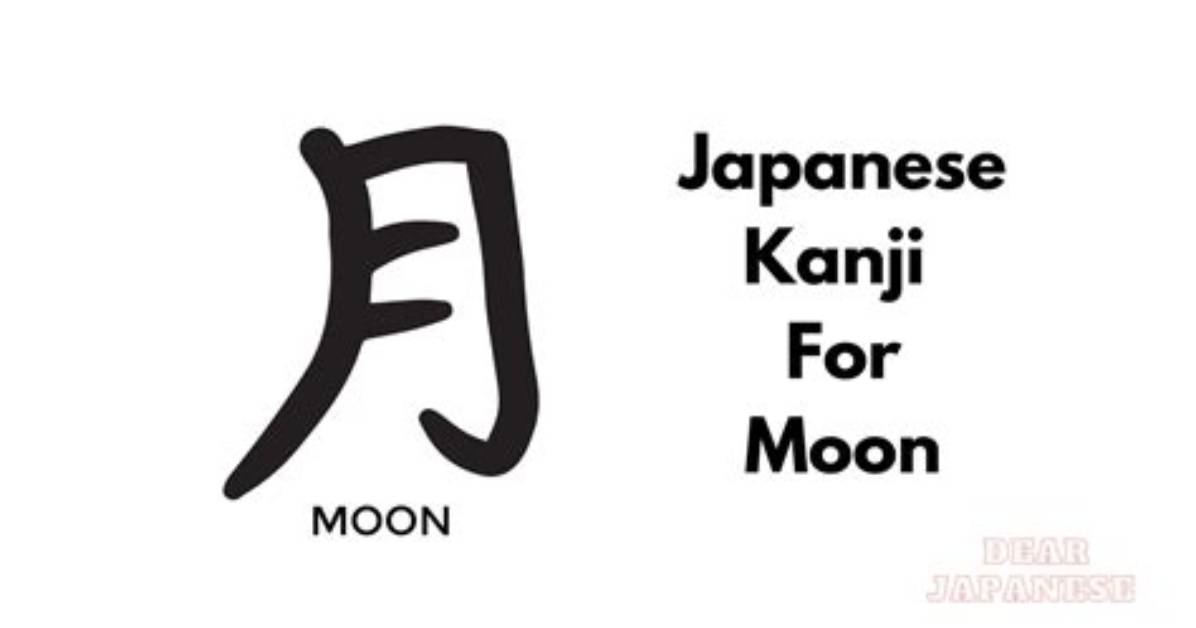
Q1: Why does 月 mean both "moon" and "month"?
A1: Traditional Japanese society operated on a lunisolar calendar where each new month began precisely with the new moon. Because the lunar cycle of roughly 29.5 days defined the month, the celestial body and the unit of time shared the identical linguistic signifier, preserved today across Chinese, Japanese, and Korean kanji systems.
Q2: How can I remember whether to say "gatsu" or "getsu"?
A2: Reserve gatsu strictly for proper nouns naming specific calendar months: Nigatsu is February, Kugatsu is September. Use getsu for counting units of time (ikkagetsu - one month), reference markers like kongetsu (this month) and raigetsu (next month), and the weekday Monday (getsuyoubi).
Q3: Is saying "Tsuki ga kirei desu ne" understood as a romantic confession by all native speakers?
A3: Most literate native speakers and younger generations recognize the literary allusion to Natsume Sōseki. Context dictates the interpretation: pointing casually at an unusually bright full moon among friends is generally taken at face value, but whispering the phrase during an intimate walk often carries romantic intent.
Robert Thorne covers electric vehicle innovations, autonomous driving systems, global mobility trends, and automotive engineering developments.
