Moe Szyslak Explained: Character Origins, Voice Inspirations, and Tavern Trivia
 By Sarah Jenkins
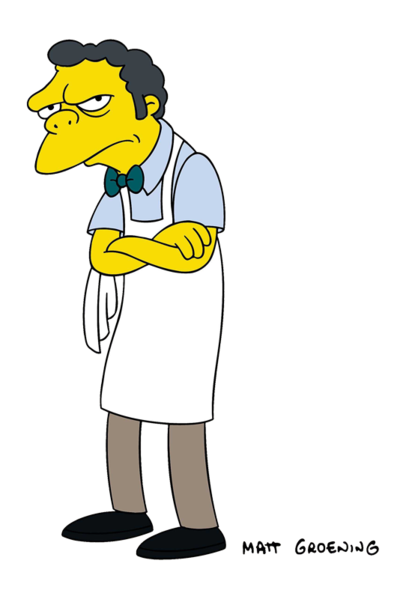
Moe was originally voiced in early production by actor Christopher Collins, who provided the bartender's gruff tone in early season episodes before Hank Azaria took over the role. Azaria, then in his early twenties, arrived at the studio with an ear for hyper-specific regional dialects and classic cinema cadence.
Azaria’s foundational spark for Moe was Al Pacino in the 1975 crime drama Dog Day Afternoon. Azaria isolated the breathless, gravel-strained panic Pacino delivered during high-stress scenes, shifted the pitch down, and layered on a weary Queens accent. The voice actor flattened out the vowels, added a wet, phlegmy scrape to the delivery, and infused the delivery with a persistent undercurrent of misery.
The vocal design allows Azaria to oscillate between violent aggression and weeping self-loathing within a single sentence. When Moe threatens Homer Simpson with a rusty meat hook or begs an inanimate radio for companionship, Azaria modulates the delivery so the audience laughs at the absurdity while recognizing the genuine sadness underneath.
Sarah Jenkins is a veteran tech journalist with over 12 years of experience covering artificial intelligence, mobile innovations, and digital ethics. Her insights have appeared in leading technology publications worldwide.
