Minute-by-Minute Masterclass: How to Soft Boil Eggs Flawlessly Every Time
 By Elena Rostova
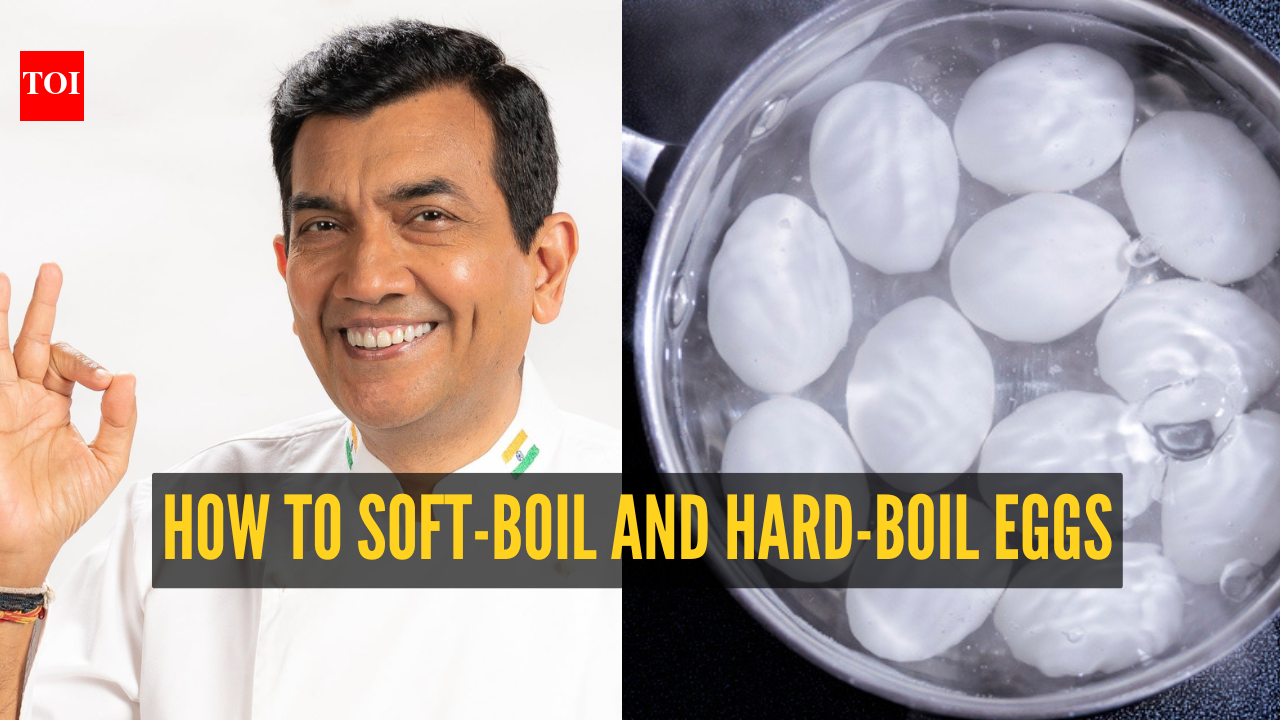
The persistent debate between a cold water start and the boiling water start method has finally been settled by food science laboratories. Starting eggs in cold water heats the exterior gradually. This slow temperature climb allows the inner eggshell membrane to fuse tightly with the outer albumin, gluing the shell to the white. When you try to peel a cold-water egg, the shell tears away chunks of cooked protein, leaving behind a scarred, pitted surface.
Plunging an egg directly into boiling water (212°F / 100°C) subjects the exterior proteins to immediate thermal shock. The outer layer of albumin shrinks violently, pulling free from the inner parchment membrane. This rapid steam-and-shrink reaction creates a micro-pocket between the egg and its shell, guaranteeing an easy peel egg shell every single time. It also establishes an unambiguous zero-point for timing. A pot brought to a boil from cold varies widely based on water volume, pot thickness, and burner BTU output, introducing chaotic variables that ruin consistent results.
Elena Rostova holds a Master's degree in Public Health Journalism. She covers groundbreaking medical research, holistic wellness trends, mental health awareness, and nutritional science.
