Melted Bean Photos Exposed: How Ai Imagery and Parody Sparked a Nationwide Rumor
 By Elena Rostova
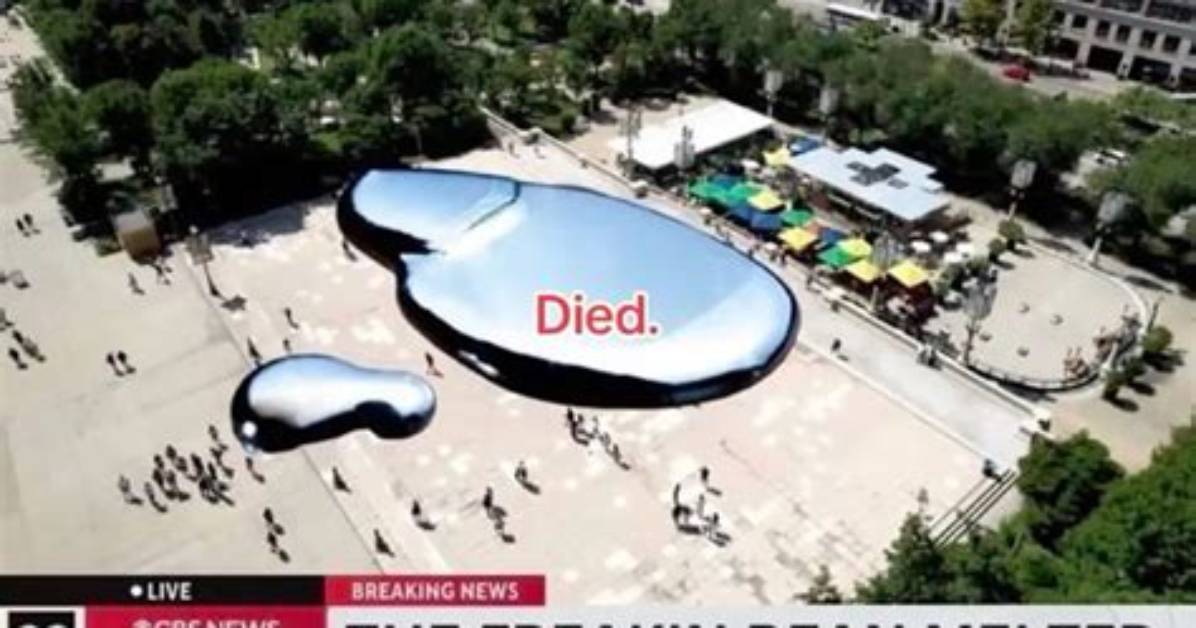
To understand why the viral images are a physical impossibility, one must examine the engineering behind the sculpture. Designed by British-Indian artist Anish Kapoor and engineered by Performance Structures, Inc. (PSI) in Oakland, California, the Bean is not a delicate, hollow shell. It is a heavyweight industrial marvel built to withstand extreme environmental punishment.
The sculpture’s outer skin consists of 168 individual plates of 316-grade stainless steel, measuring between 3/8-inch and 3/4-inch in thickness. This marine-grade alloy contains chromium, nickel, and molybdenum, selected specifically for its resistance to corrosion, salt spray from Lake Michigan, and brutal Midwestern weather extremes.
| Thermal Condition | Recorded Temperature Range | Physical Impact on Sculpture |
|---|---|---|
| Chicago Historic Record High | 105°F (40.5°C) | No structural effect; negligible radiant heat absorption |
| Direct Sunlight Surface Peak | 130°F, 155°F (54°C, 68°C) | Minor thermal expansion managed by internal joints |
| Steel Structural Softening Point | 900°F, 1,100°F (482°C, 593°C) | Internal stress yields; impossible in ambient atmosphere |
| 316 Stainless Steel Melting Point | 2,500°F, 2,550°F (1,371°C, 1,400°C) | Complete phase change to liquid metal |
For the exterior plates to liquefy as depicted in the viral images, the ambient air surrounding Millennium Park would need to reach temperatures comparable to an industrial blast furnace. Even the hottest day ever recorded in Chicago history, reached during the July 1995 heatwave, fell more than 2,400 degrees short of softening the alloy.
Elena Rostova holds a Master's degree in Public Health Journalism. She covers groundbreaking medical research, holistic wellness trends, mental health awareness, and nutritional science.
