Medical Breakdown: What Pituitary Gigantism Actually Does to the Human Body
 By Elena Rostova
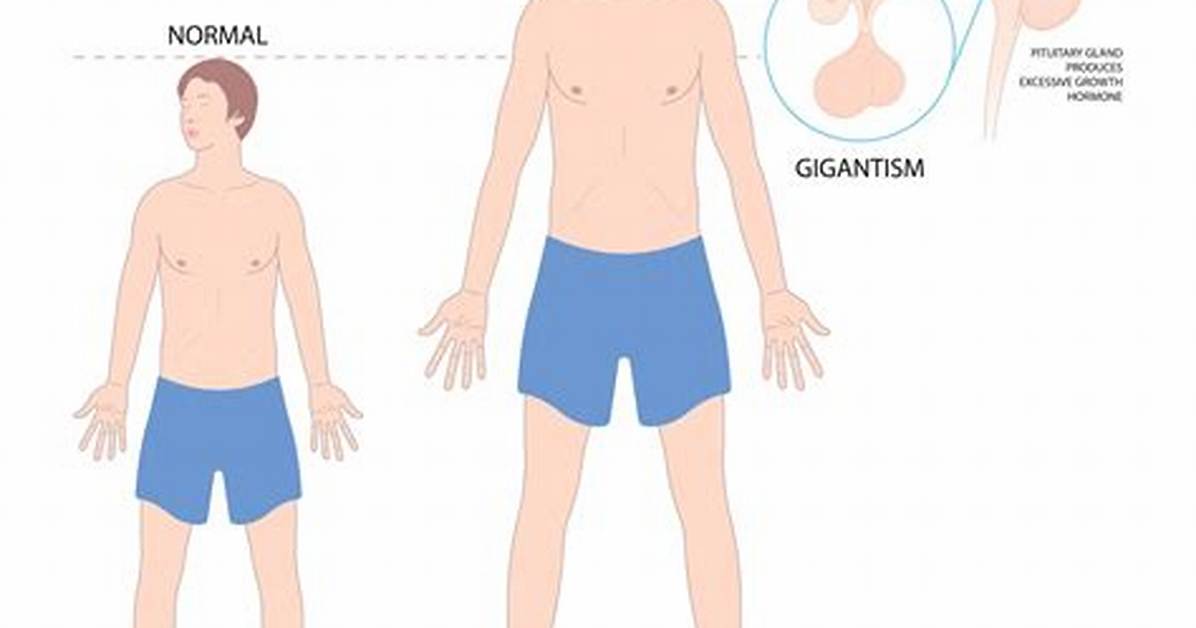
While orthopedic issues cause profound disability, cardiovascular complications ultimately dictate survival in patients with pituitary gigantism. Somatotropin excess acts as a potent, toxic stimulus for cardiovascular tissue.
First, growth hormone stimulates myocyte hypertrophy directly. The heart's muscular walls, particularly the left ventricle, thicken abnormally. Initially, this presents as hyperkinetic hypertrophy, but the continuous exposure to high hormone levels triggers extensive interstitial fibrosis. The heart muscle stiffens, losing its elasticity.
Second, the mechanical demands of pumping blood through a massive, non-standard vascular circuit force the cardiovascular system to operate in a perpetual state of high-output stress. Diastolic dysfunction develops rapidly, rendering the heart unable to fill properly between beats. Over time, this progression transitions into systolic heart failure, where the heart can no longer pump adequate oxygenated blood to vital organs. Vovkovinskiy’s sudden hospitalization and death at age 38 was the devastating clinical conclusion of this long-term cardiovascular burden.
Elena Rostova holds a Master's degree in Public Health Journalism. She covers groundbreaking medical research, holistic wellness trends, mental health awareness, and nutritional science.
