Manji Vs. Hakenkreuz: the Visual Proof Behind Copy-Paste Symbol Confusion
 By Chloe Bennett
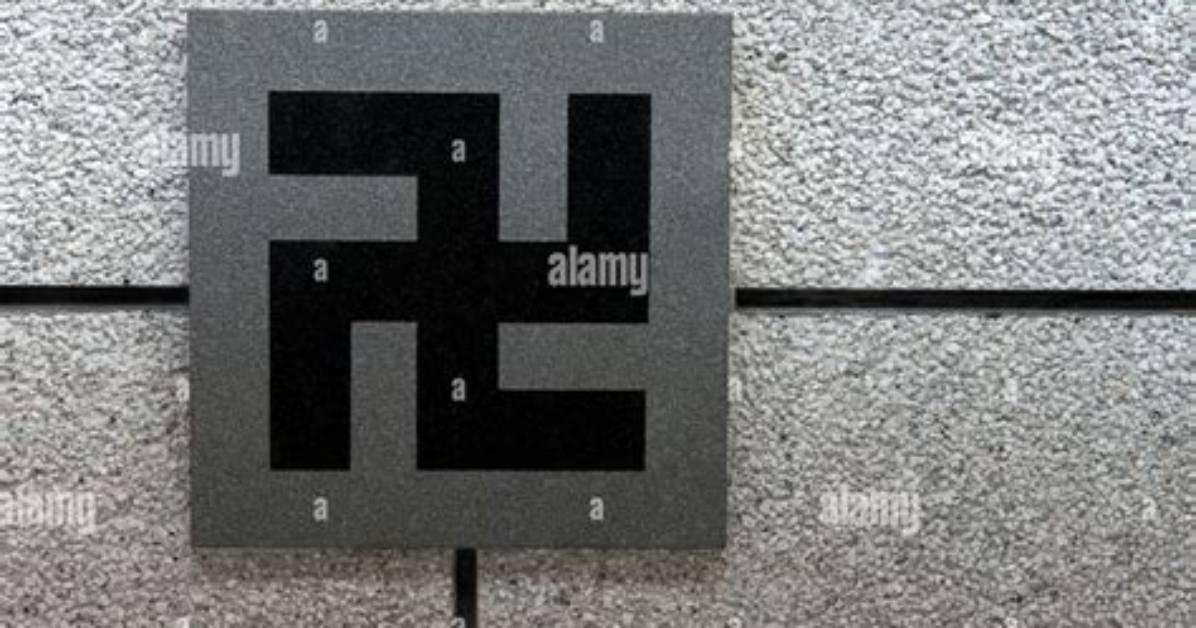
The Unicode Consortium faced a difficult editorial choice during the early 1990s when encoding world writing systems. Japanese, Chinese, and Korean historical records contained thousands of documents utilizing the character. The left-facing swastika (卍) and the right-facing swastika (卐), frequently called the sauwastika in Sanskrit academic literature, were essential components of living languages.
Instead of creating an explicit modern political glyph, the consortium placed both characters within the CJK Unified Ideographs block. Unicode U+534D represents the left-facing variant (Chinese: wàn, Japanese: manji), signifying universal harmony and the footprint of the Buddha. Unicode U+5350 represents the right-facing variant. Because these code points reside in the linguistic sector of the Unicode standard alongside standard Chinese characters for "mountain" (山) or "tree" (木), operating systems treat them as standard CJK typography rather than restricted dingbats.
Noticeably absent from the Unicode standard is the Nazi Hakenkreuz itself. The consortium deliberately rejected proposals to encode the tilted Nazi hooked cross as a dedicated political symbol. Every time an online user copies a 45-degree rotated Nazi cross into a bio, they are relying on composite vector artwork, uploaded images, or custom Discord server emojis. The raw Unicode character set contains only the flat-sitting East Asian linguistic ideographs.
Chloe Bennett explores the intersection of pop culture, streaming entertainment, digital trends, and contemporary lifestyle. Her weekly commentary reaches thousands of culture enthusiasts.
