Lululemon Return Policy Update: Surge in Performance Claims Sparks Brand Scrutiny
 By Chloe Bennett
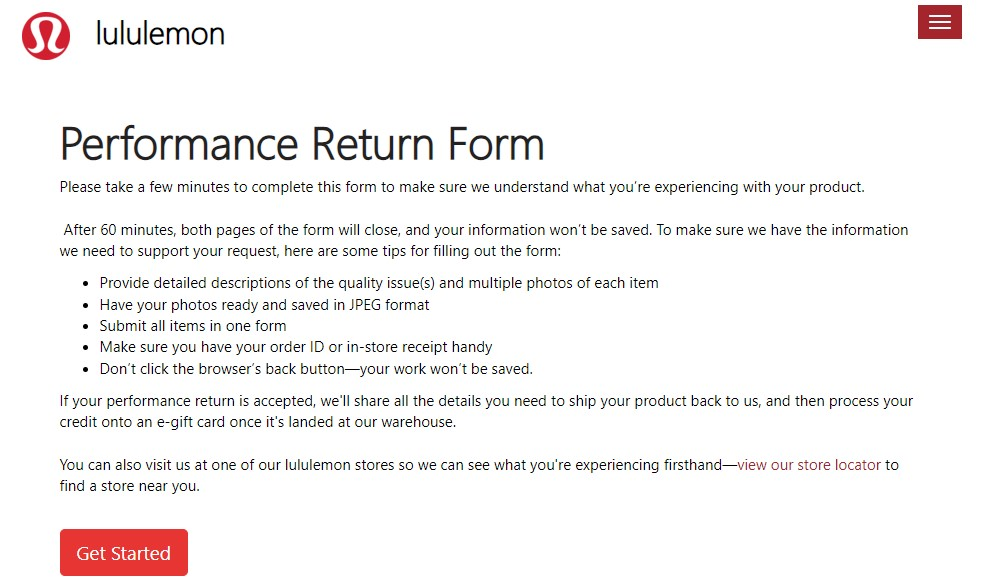
The trouble began with viral tutorials masquerading as consumer advice. Creators told followers that pilling along inner-thigh seams or loosened elastic constituted manufacturing failures, instructing shoppers to bypass the standard 30-day return window and invoke the brand’s defect policy. Within weeks, retail associates reported a wave of shoppers showing up with heavily laundered gear purchased during the pandemic or sourced from thrift outlets.
Retail stores bore the brunt of the traffic. Associates, internally called educators, historically exercised wide discretion to resolve complaints on the spot. If a customer felt an item failed prematurely, staff often issued an immediate store credit or item swap. That discretionary leeway eroded as organized threads shared specific phrasing designed to force exchanges, forcing corporate management to step in and standardize retail execution.
Store personnel faced confrontational scenes when rejecting decade-old garments. By early 2026, the company instructed frontline teams to move subjective appraisals into an audited intake workflow, requiring systemic verification before processing any no-cost replacement.
Chloe Bennett explores the intersection of pop culture, streaming entertainment, digital trends, and contemporary lifestyle. Her weekly commentary reaches thousands of culture enthusiasts.
