Looks Delicious! the Art of Shokuhin Sampuru and Japan's Hyper-Realistic Food Craze
 By James H. Sterling
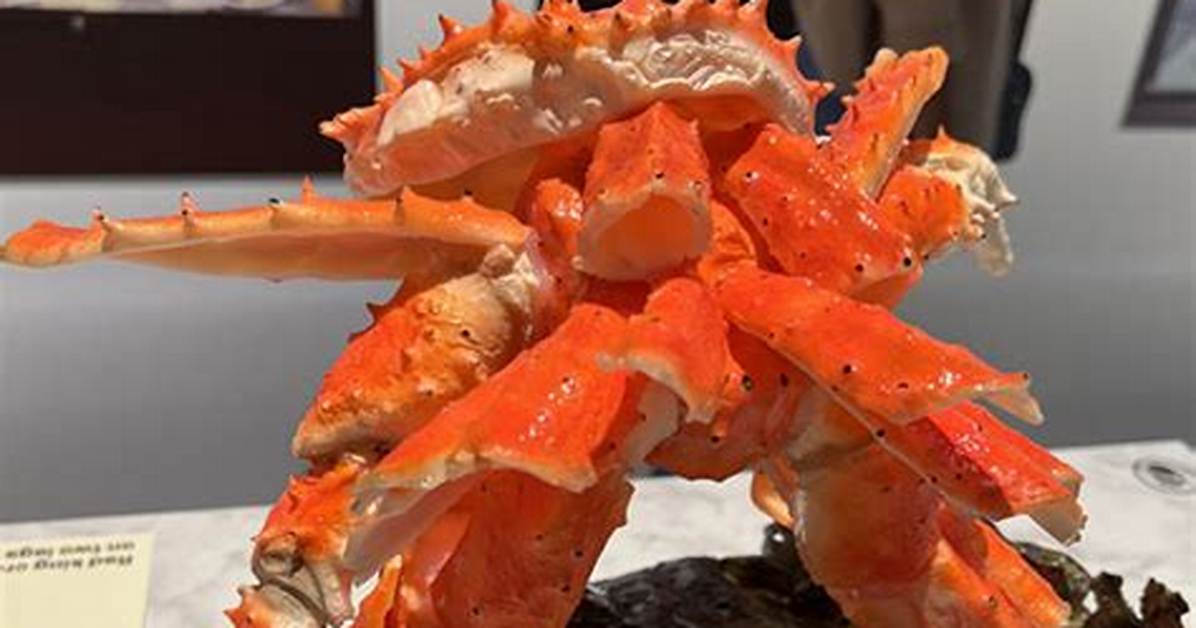
For decades, Western travelers viewed sampuru as a charming functional curiosity, a handy cheat code for ordering food without speaking Japanese. Over the past two years, however, the perception has shifted toward viewing these objects as pop-art sculpture and industrial design masterpieces.
The cultural traveling exhibition "Looks Delicious! Exploring Japan’s Food Replica Culture," presented across Japan House outposts, helped fuel this international reassessment. Rather than simply presenting restaurant vitrines, the exhibition showcases surrealist creative works designed during annual internal competitions held by Iwasaki Group craftsmen. These displays feature impossible culinary physics: a tower of sushi defying gravity, a bowl of ramen dissolving into floating ingredients, and an oversized pizza where cheese strands twist into an intricate birdcage.
Museum curators and art historians draw direct parallels between sampuru and the hyperrealist sculpture movements of the late 20th century. While contemporary fine art often works in irony or alienation, food replica art works purely in temptation. Its objective is to trigger salivation through cold synthetic plastics.
James Sterling reports on renewable energy developments, climate policy, ecological conservation, and green tech innovations around the globe.
