Look Inside Authentic Texas Bootmaking: Materials, Stitching, and What Sets Hill Country Brands Apart
 By Chloe Bennett
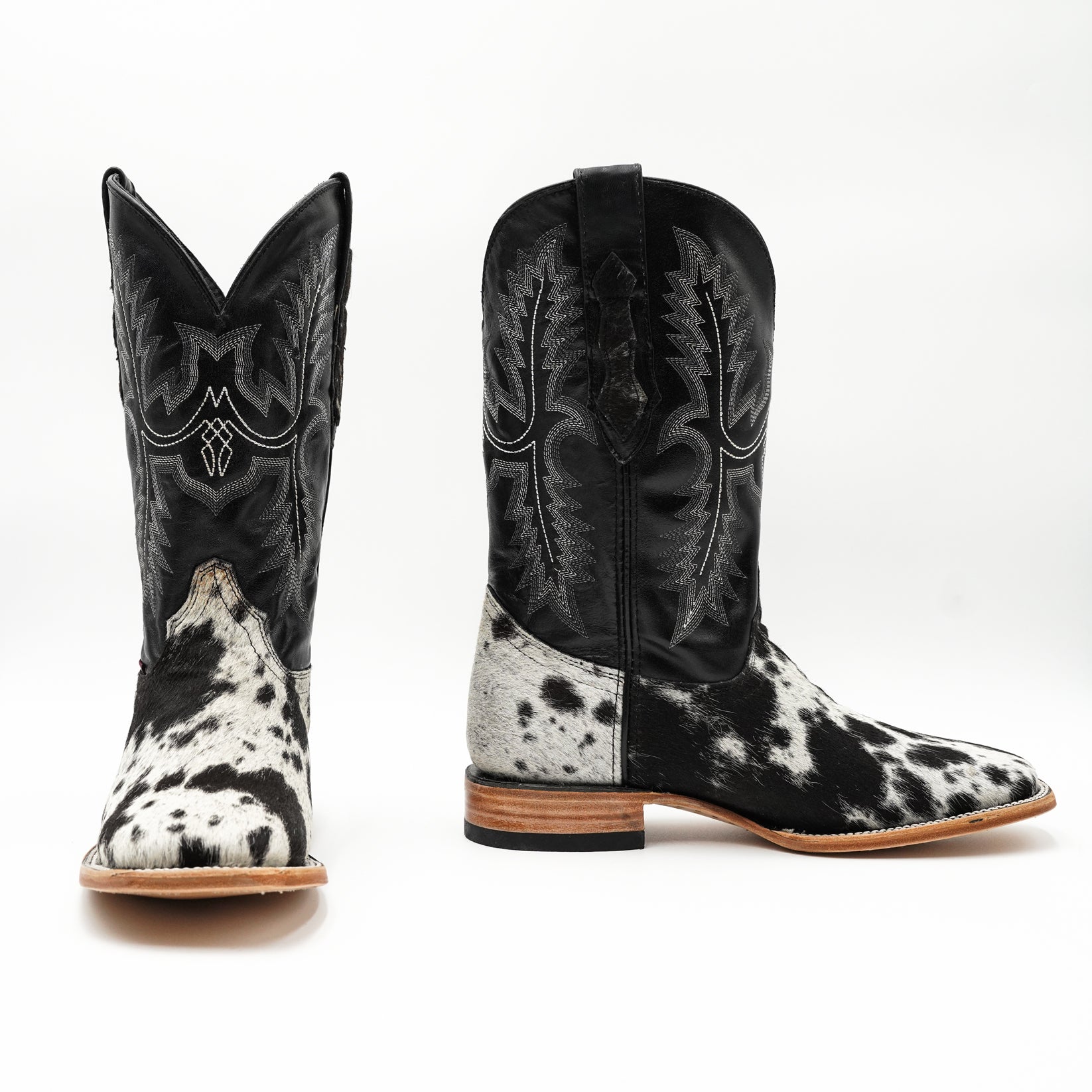
Boot performance hinges directly on the angle of the heel and the shape of the toe box. The table below illustrates the structural parameters separating primary western boot silhouettes across contemporary Texas workshops.
| Boot Category | Heel Height & Angle | Toe Profile | Standard Outsole Material | Primary Practical Utility |
|---|---|---|---|---|
| Roper Boot | 1.00, 1.25 in (Flat Walking Heel) | Round or Broad Square | Oil-resistant rubber or hybrid leather | All-day walking, arena competition, chore work |
| Classic Cowboy | 1.50, 2.00 in (Underslung Riding Heel) | Medium Round, J-Toe, or Snip | Vegetable-tanned slick leather (10-iron) | Saddle security, dance floor sliding, dress wear |
| Stockman / Rancher | 1.25, 1.375 in (Broad Block Heel) | Wide Square (French or DB) | Double-stitched thick leather with rubber cap | Spreading toe weight, heavy outdoor durability |
The contrast between a walking heel vs riding heel changes posture entirely. The riding heel features a forward pitch cut sharply under the heel bone. This geometry catches stirrups during horseback work, preventing the rider's foot from sliding through the iron. On concrete or gravel trails, however, this aggressive pitch concentrates body weight onto the forefoot metatarsals.
Conversely, roper boots feature a low, square-cut walking heel, introduced originally to help calf ropers sprint on dirt after dismounting. Today, that low center of gravity makes the roper silhouette the premier choice for urban settings, concerts, and long work shifts.
Chloe Bennett explores the intersection of pop culture, streaming entertainment, digital trends, and contemporary lifestyle. Her weekly commentary reaches thousands of culture enthusiasts.
