Las Mañanitas and Traditional Feasts: Inside the Sights and Sounds of Mexican Mother's Day
 By Elena Rostova
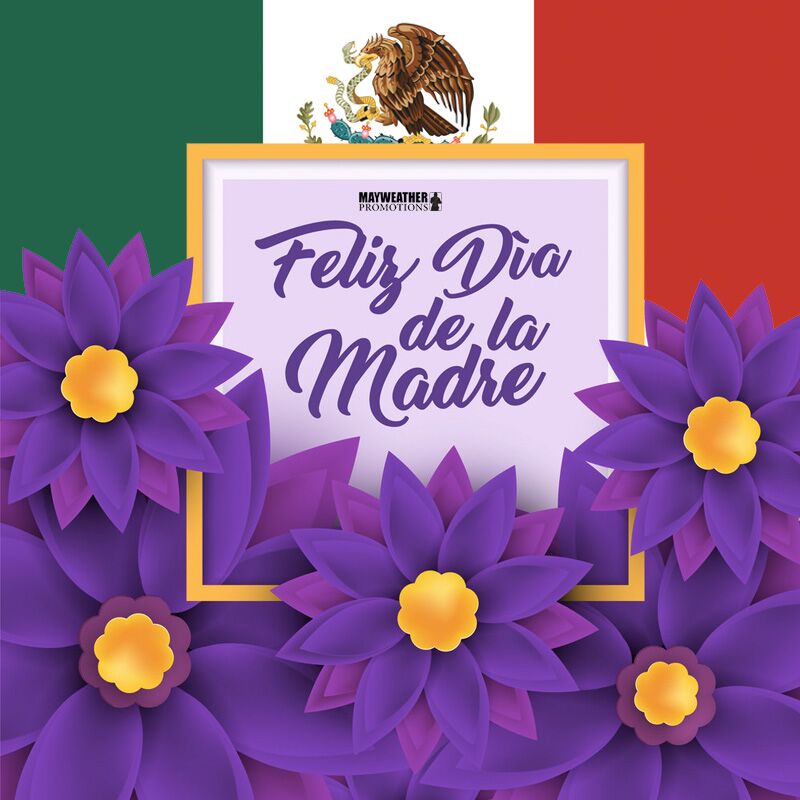
Q1: Why is Mother's Day celebrated on May 10 in Mexico instead of a Sunday?
Mexico adopted a fixed calendar date on May 10, 1922, following a national campaign orchestrated by newspaper editor Rafael Alducin and backed by civic, religious, and state leaders. The country has maintained this fixed date ever since, ensuring that the celebration retains its distinct standing independent of weekly work schedules.
Q2: What is the significance of singing "Las Mañanitas" to mothers?
"Las Mañanitas" serves as Mexico's preeminent honoring song, traditionally reserved for birthdays and saints' days. On Mother's Day, singing it at dawn, accompanied by mariachis or family members, symbolizes awakening the mother into a day of unconditional gratitude and relief from daily labor.
Q3: How do Mexican schools and offices handle May 10 when it falls on a weekday?
While not an official statutory bank holiday by federal labor law, Mexican businesses and schools widely accommodate the date. Elementary schools routinely stage morning musical revues and poetry recitals for mothers before dismissing early, while employers frequently grant half-day shifts to allow workers to attend extended family luncheons.
Elena Rostova holds a Master's degree in Public Health Journalism. She covers groundbreaking medical research, holistic wellness trends, mental health awareness, and nutritional science.
