Jaw-Dropping Clearances: the Most Famous Bridges Cruise Ships Barely Squeeze Under
 By Sophia Al-Mansoor
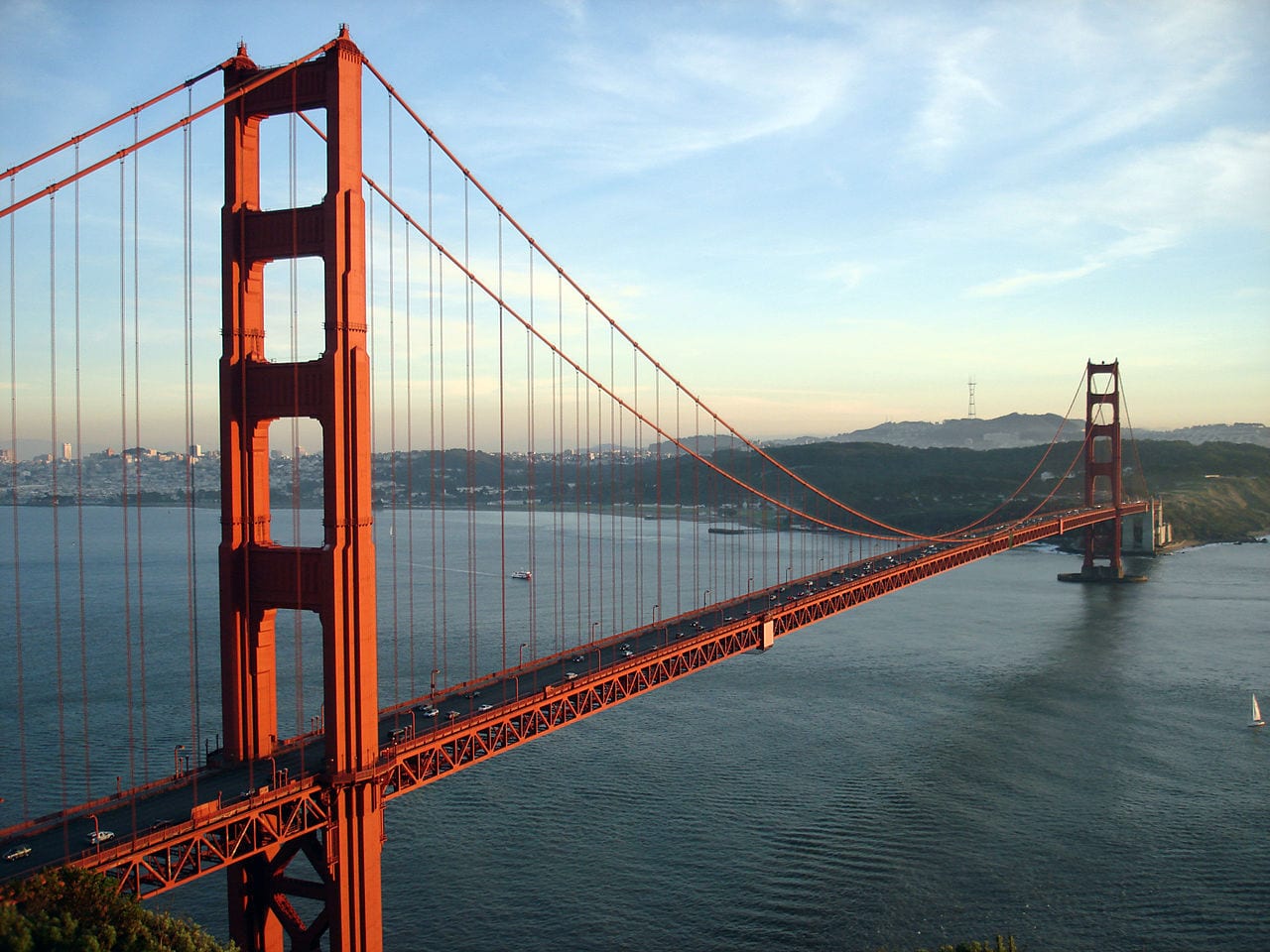
Every transit begins with a strict metric: air draft. While naval architects track water draft to keep hulls off the seabed, air draft measures the vertical distance from the waterline to the ship's absolute highest fixed point, typically the communications array or exhaust stack. The margin between that summit and the lowest point of a bridge structure defines the vertical clearance. In modern maritime navigation, that margin is shrinking fast.
Bridge heights are never static. Thermal expansion can cause heavy steel suspension spans to sag downward by up to five feet during blazing summer heatwaves. Heavy vehicular traffic on the roadway above pushes the main deck down further. Simultaneously, astronomical high tides lift the ship upward, effectively pinching the navigational corridor from both ends. Harbor pilots must calculate these variables in reverse, deliberately selecting low-water windows while filling ballast tanks with thousands of tons of seawater to sink the vessel deep into the channel.
Navigators also exploit an aerodynamic phenomenon called dynamic squat. When a massive displacement vessel runs at moderate speed through a shallow or confined channel, water flows faster beneath the hull. The localized pressure drop pulls the ship deeper into the water, shaving crucial inches off its overhead profile. It is a counterintuitive gamble: running faster increases clearance overhead while decreasing safety margins along the muddy seabed.
Sophia analyzes international trade, startup ecosystems, retail transformation, and supply chain logistics for modern digital publications.
