Jaw-Dropping Clearances: the Most Famous Bridges Cruise Ships Barely Squeeze Under
 By Sophia Al-Mansoor
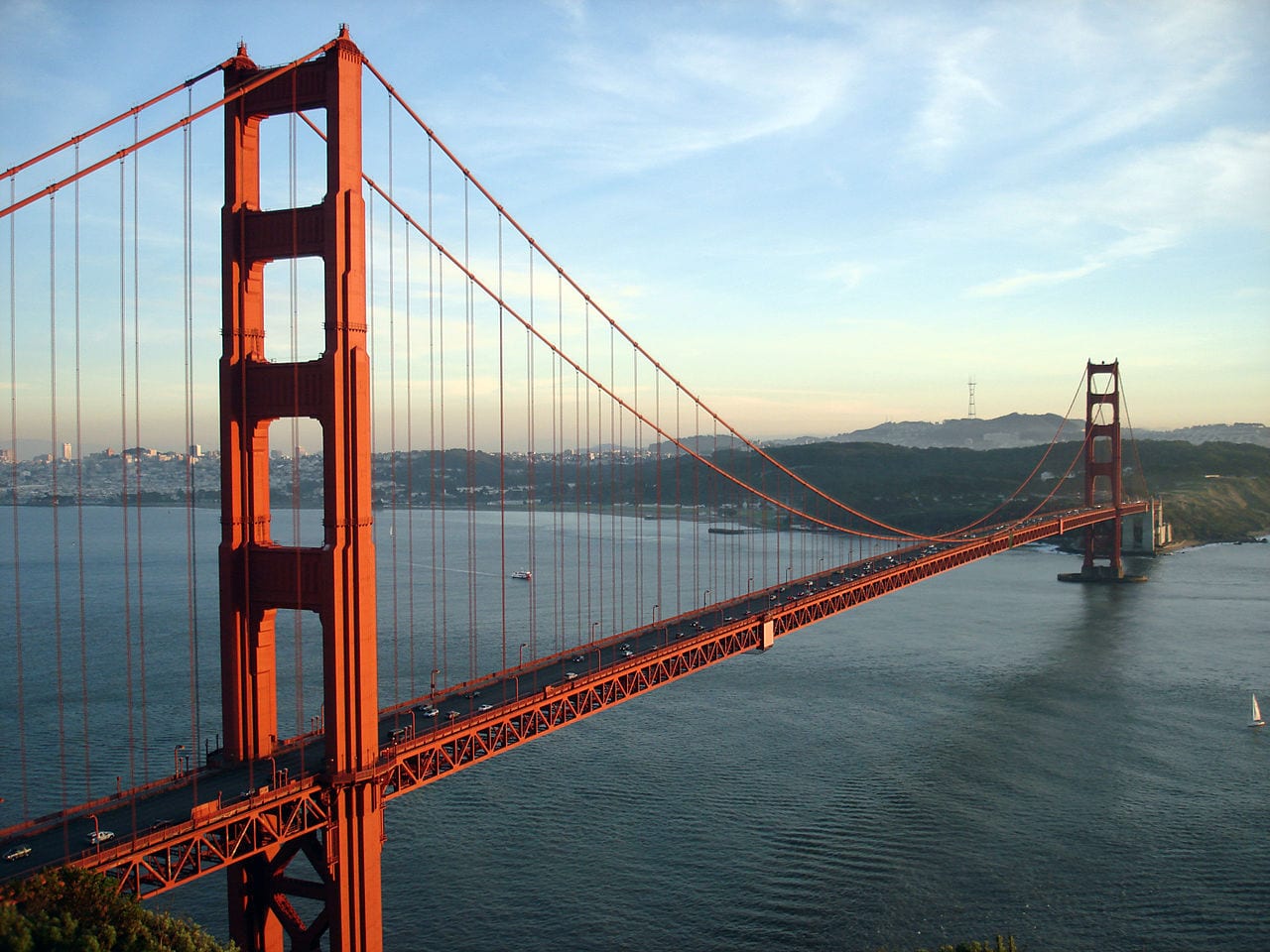
Q1: What happens if a cruise ship miscalculates vertical clearance?
A1: An air draft strike causes catastrophic structural damage to navigation systems, radar arrays, and engine exhaust stacks. It risks puncturing top decks and severing electrical conduits. Bridge structures face potential cosmetic or structural damage, and port authorities immediately suspend maritime traffic for emergency integrity assessments.
Q2: Why don't cruise ports simply dredge waterways to increase clearance under bridges?
A2: Dredging deepens the seabed, which improves water draft for heavily laden ship hulls, but does nothing for air draft. Overhead vertical clearance is determined strictly by the distance between the water surface and the bridge deck. Dredging cannot lower the water's surface elevation.
Q3: Can cruise ships sink themselves temporarily using water ballast?
A3: Yes. Modern cruise ships carry large internal ballast systems. Prior to sailing under low-clearance spans like the Verrazzano-Narrows or Great Belt bridges, engineers pump thousands of tons of sea water into double-bottom tanks to deliberately lower the hull by several inches to two feet.
Sophia analyzes international trade, startup ecosystems, retail transformation, and supply chain logistics for modern digital publications.
