Is Using a Words with Friends Assist Cheating or Smart Play? the Truth Revealed
 By David Miller
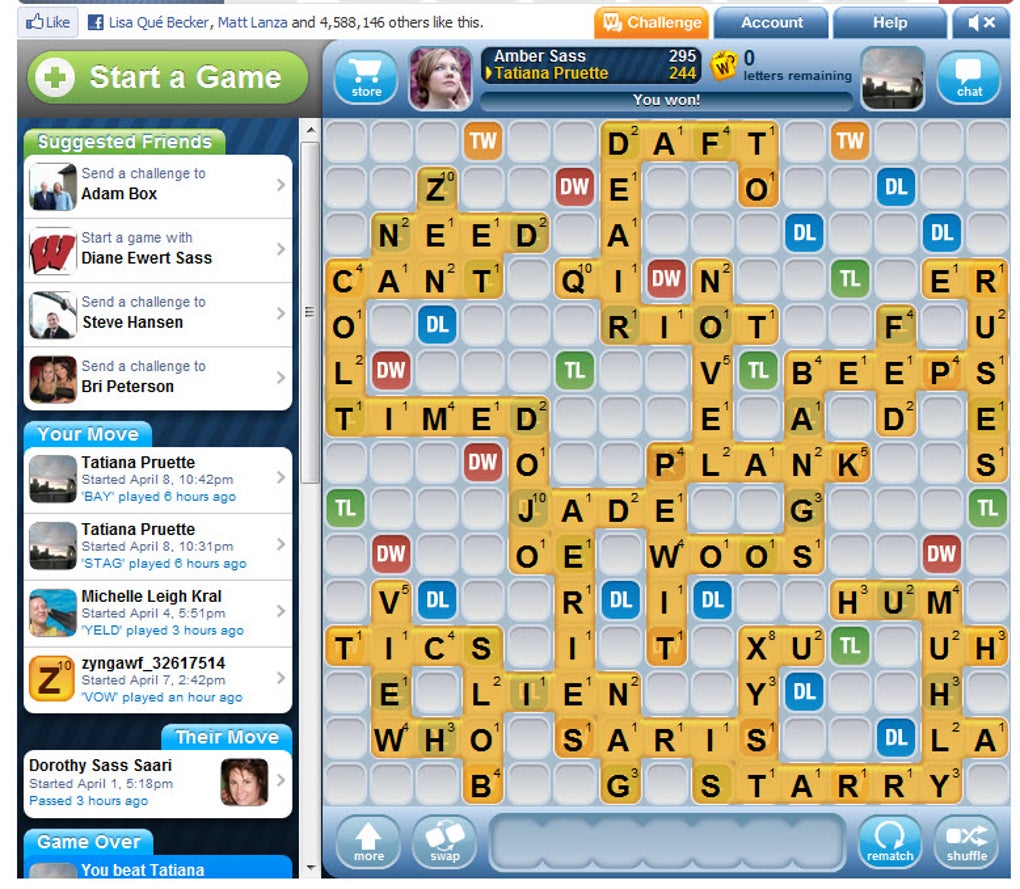
Skilled players do not need automated engines to post competitive scores. Real mastery relies on foundational fundamentals that an algorithm treats purely as numbers: vowel-consonant balancing, tile tracking, and deliberate board defense.
High-scoring two-letter words represent the backbone of serious match play. Memorizing pairs like QI, ZA, XU, and JO allows players to execute parallel plays, dropping high-value consonants across two intersecting words simultaneously. A single Z or Q placed on a double-letter square that hits in two directions easily generates 40 to 60 points without requiring a sprawling, complex vocabulary.
Mastery also hinges on blank tile optimization. Novice players burn blank tiles early on modest 25-point plays. Veteran competitors hoard blanks until they can unleash bingo bonus words, collecting the 35-point bonus for exhausting all seven rack tiles in a single turn. They control the board by closing down triple-word lanes, intentionally playing low-scoring words to choke off opportunities rather than handing open multipliers to their opponent.
When someone uses a solver, this tactical chess match evaporates. Solvers often prioritize raw, immediate points over long-term rack balance, leaving players with racks clogged with four unplayable consonants on the subsequent turn. The human who plays organically and manages their rack often outlasts opponents who lean on short-sighted algorithmic point chasing.
David Miller brings 15 years of experience in global economics, personal finance strategy, and market dynamics. He specializes in turning complex economic trends into actionable insights for everyday readers.
