Is Making Cornstarch at Home Worth It? Debunking Diy Pantry Starch Myths
 By Chloe Bennett
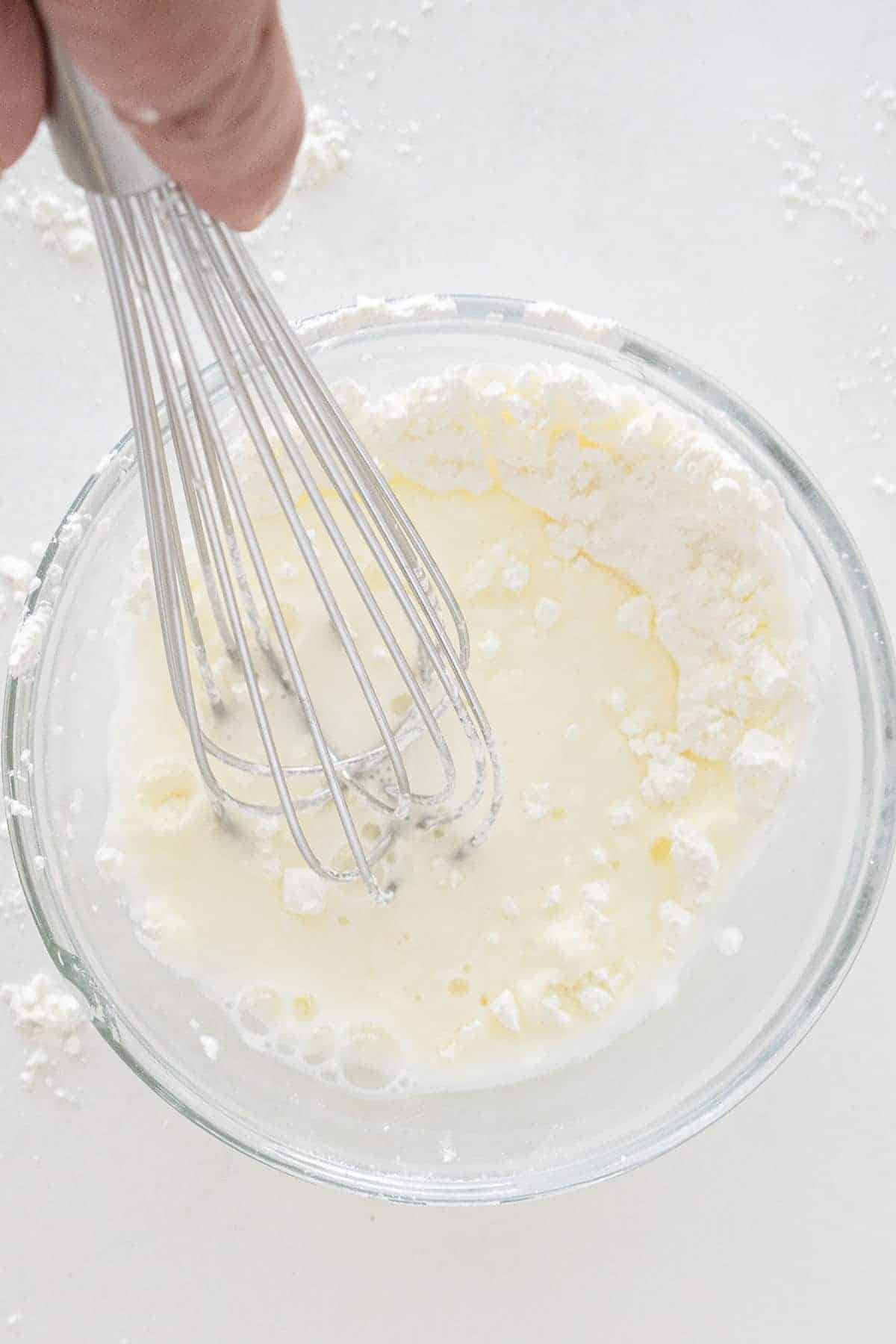
The push to make cornstarch at home accelerated across video platforms throughout 2025 and early 2026. Creators presented a deceptively simple workflow: strip kernels from an ear of corn, puree them in water, strain the milk through cheesecloth, wait for sedimentation, siphon off the cloudy liquid, and dehydrate the white residue on a sheet pan. The finished product, scraped into mason jars, looked identical to Argo or Kingsford powder.
The culinary community quickly split over the trend. Serious bakers and professional sauce cooks raised immediate red flags on culinary forums, pointing out that whole-kernel grinding fails to isolate starch granules from the surrounding matrix. Conversely, clean-eating advocates celebrated the DIY method as an additive-free, unbleached thickener. The controversy stems from a fundamental misunderstanding of kernel anatomy: sweet corn is harvested for sugars, while commercial starch comes from high-starch dent corn processed through industrial wet milling.
Chloe Bennett explores the intersection of pop culture, streaming entertainment, digital trends, and contemporary lifestyle. Her weekly commentary reaches thousands of culture enthusiasts.
