Is Anxiety a Sin? Fact-Checking Common Christian Misconceptions of Scripture
 By Sophia Al-Mansoor
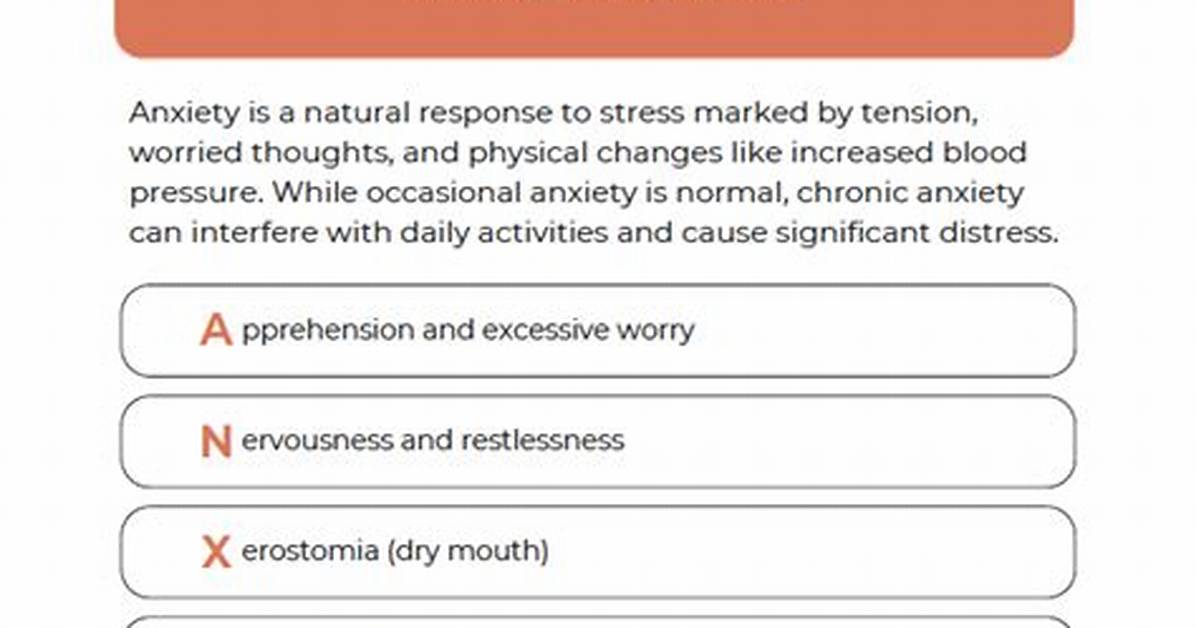
The human brain does not separate its chemistry from its spiritual longings. When an individual develops generalized anxiety disorder (GAD), the amygdala fires rapid-fire alarm sequences regardless of cognitive beliefs. A sudden spike in cortisol or adrenaline does not consult personal theology before flooding the bloodstream.
Recent psychological reporting, including diagnostic reviews by Verywell Mind exploring why people experience sudden anxiety without conscious triggers, underscores that autonomic nervous system arousal operates largely below the conscious radar. Trauma histories, autonomic neuropathy, sleep deficits, and genetics trigger deep physical alarm. Treating an involuntary nervous system response as an act of apostasy misapprehends both biology and theology.
Biblical authors understood episodic dread. David, Elijah, and the psalmists repeatedly chronicled heavy depression, insomnia, and unrelenting emotional ache. Scripture consistently distinguishes between willful distrust in God’s provision and the inescapable fragility of inhabiting mortal, decaying bodies. Collapsing those two categories under the label of "sin" inflicts severe harm.
Sophia analyzes international trade, startup ecosystems, retail transformation, and supply chain logistics for modern digital publications.
