Inside the Troll Qr Code Craze: Screenshots, Hidden Links, and Video Reactions
 By Chloe Bennett
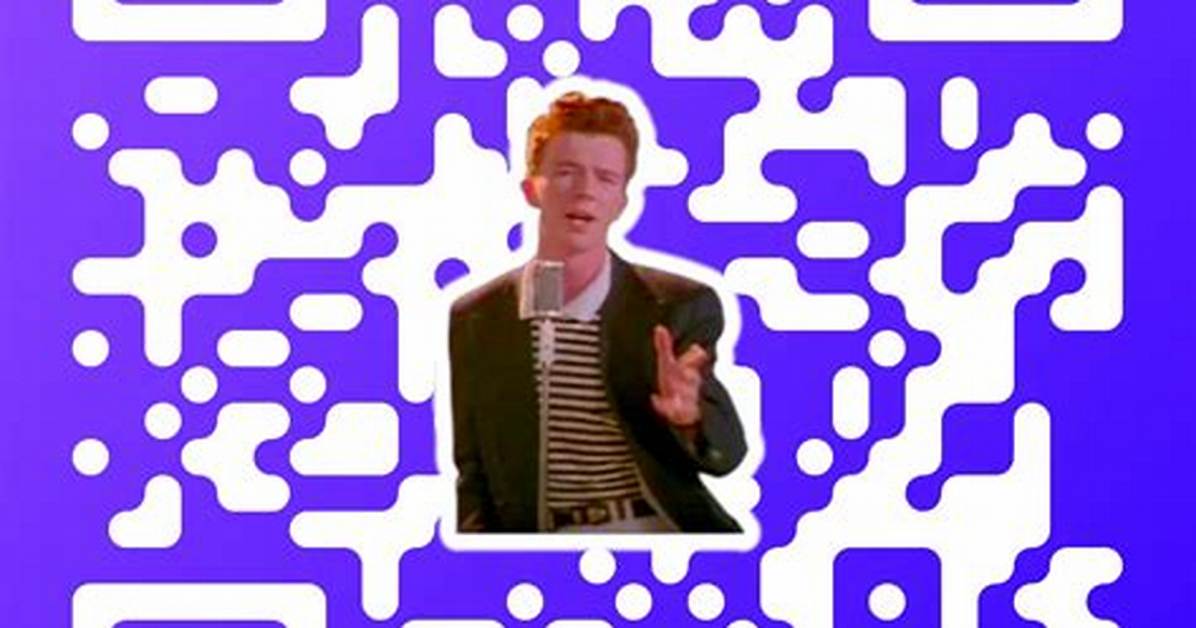
Why do people continue falling for obvious bait? The answer rests on conditioned behavior. Between 2020 and 2024, touchless interfaces turned QR scanning from an occasional gimmick into an involuntary motor habit. People learned to point their smartphone at almost any square pattern to access restaurant menus, board flights, settle parking meters, and authenticate into secure Wi-Fi networks.
Human beings inherently struggle to visually parse encoded barcodes. When reading a printed web link, a discerning person immediately notices odd typos like paypql.com instead of paypal.com. A QR code presents no such warning signs to the naked human eye. It looks like an identical cluster of square modules whether it points to an Apple store receipt or a high-decibel screamer video.
Pranksters capitalize heavily on this blindness by adding authoritative-looking social framing. Surrounding the barcode with familiar iconography, such as official city parking emblems, realistic Wi-Fi signal arcs, or polished corporate fonts, disarms a scanner's innate skepticism. The victim's brain processes the familiar context and executes the physical scan long before critical assessment kicks in.
Chloe Bennett explores the intersection of pop culture, streaming entertainment, digital trends, and contemporary lifestyle. Her weekly commentary reaches thousands of culture enthusiasts.
