Inside the Seafood Boil Crackdown: How Health Inspections Are Shaking up Local Crab Houses
 By Elena Rostova
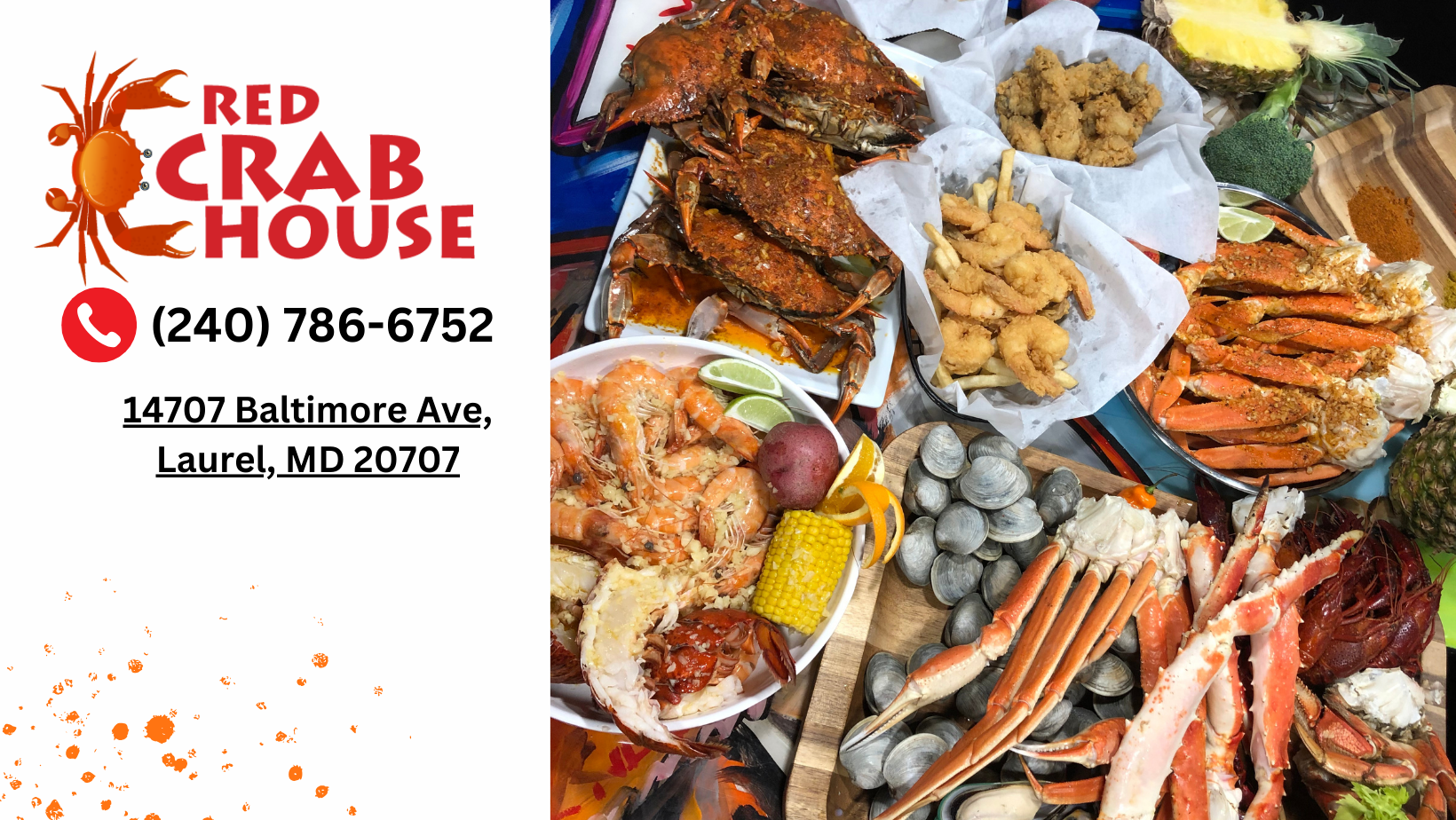
Cajun seafood boils rely on an unusual plating method: food is tossed in sauce inside a high-density polyethylene or food-grade polypropylene bag, tied off, and brought straight to the table. While this traps heat and steam, it creates specific physical and thermodynamic risks when kitchen pacing breaks down.
Boil sauces are heavy emulsions built on margarine, real butter, minced garlic, and ground spices. Garlic stored in oil without proper refrigeration or acidification presents a known risk for Clostridium botulinum, an anaerobic bacterium that produces fatal neurotoxins. When garlic-infused butter sauces sit in warming vats alongside the boil station at lukewarm temperatures (110°F, 125°F), they provide an oxygen-depleted environment ideal for spore germination.
Once wrapped inside plastic steam bags, temperatures fluctuate depending on table service timing. If a bag sits under an ambient heat lamp waiting for a server, the exterior cooler edges drop below 135°F while moisture remains trapped inside. This warm, humid microclimate accelerates bacterial reproduction if initial cooking temperatures fail to reach a rolling boil throughout the densest items, such as thick potato halves and large king crab joints.
Elena Rostova holds a Master's degree in Public Health Journalism. She covers groundbreaking medical research, holistic wellness trends, mental health awareness, and nutritional science.
