Inside the Pushback over Downey's Rapid Commercial and Housing Transformation
 By Robert Thorne
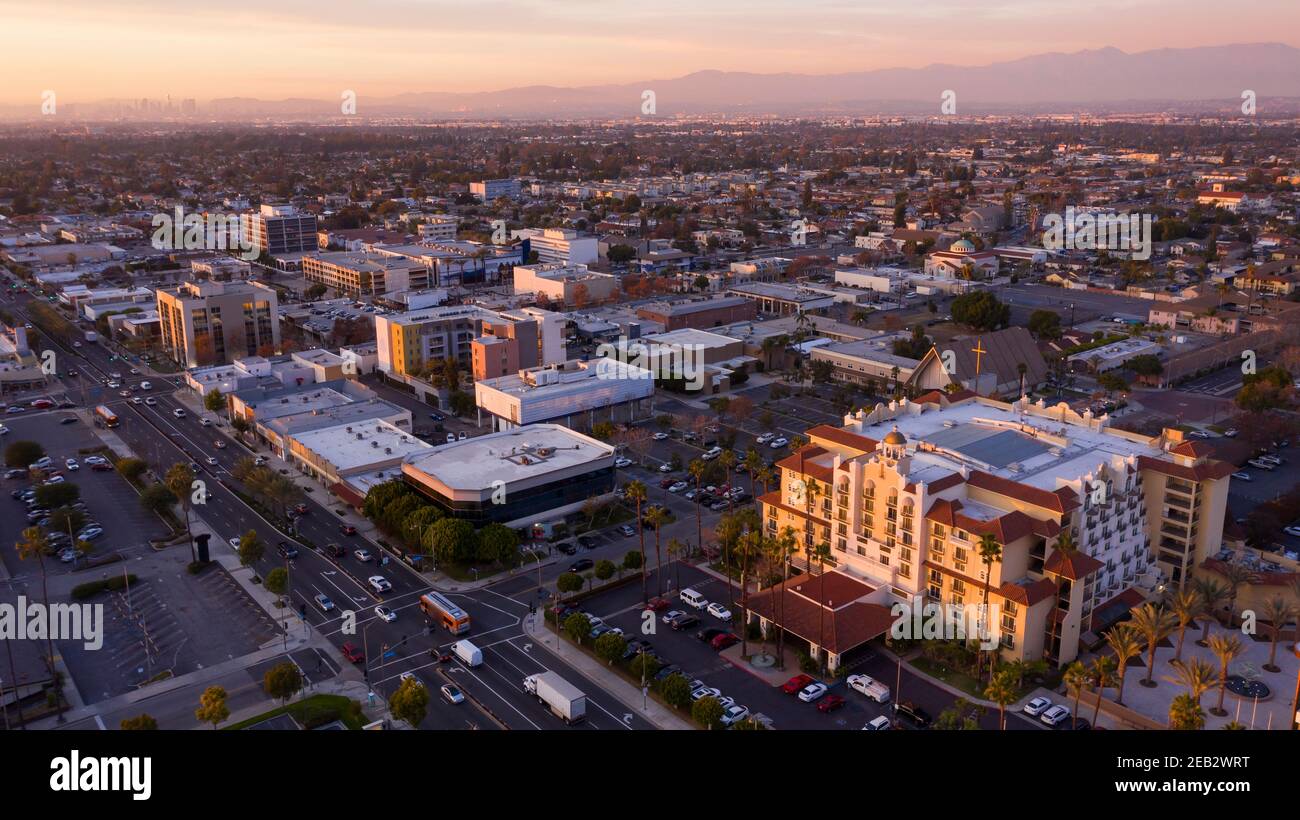
Traffic congestion concerns formed the bedrock of the community’s formal administrative appeals. The project site sits along primary transit corridors already classified at low levels of service during morning and evening rush hours. Local neighborhood groups retained transportation consultants who argued that the developer’s initial traffic modeling undercounted the gravitational pull of discounted wholesale gasoline, especially during holiday shopping periods and spikes in regional fuel prices.
Air quality concerns proved equally contentious during the project's environmental impact review. Southeast Los Angeles County sits directly within the South Coast Air Basin, an area that consistently violates federal fine particulate matter (PM2.5) and ground-level ozone standards. Pumping millions of gallons of fuel annually within walking distance of existing subdivisions prompted pushback from clean-air coalitions. Residents demanded enhanced vapor-recovery systems, wider vegetative buffers, and strict limitations on overnight freight delivery schedules.
The debate highlighted a generational divide in urban planning priorities. Older homeowners who purchased properties decades ago viewed the project as an erosion of Downey’s quiet, self-contained suburban identity. Younger residents and commercial property advocates pointed out that underutilized, aging retail centers drain municipal resources while encouraging blight. Without aggressive commercial redevelopment, commercial vacancy rates along secondary boulevards will continue to tick upward.
Robert Thorne covers electric vehicle innovations, autonomous driving systems, global mobility trends, and automotive engineering developments.
