Inside the 'House of Guinness' Sensation: Why the Sexuality Debate Surged Online
 By Sophia Al-Mansoor
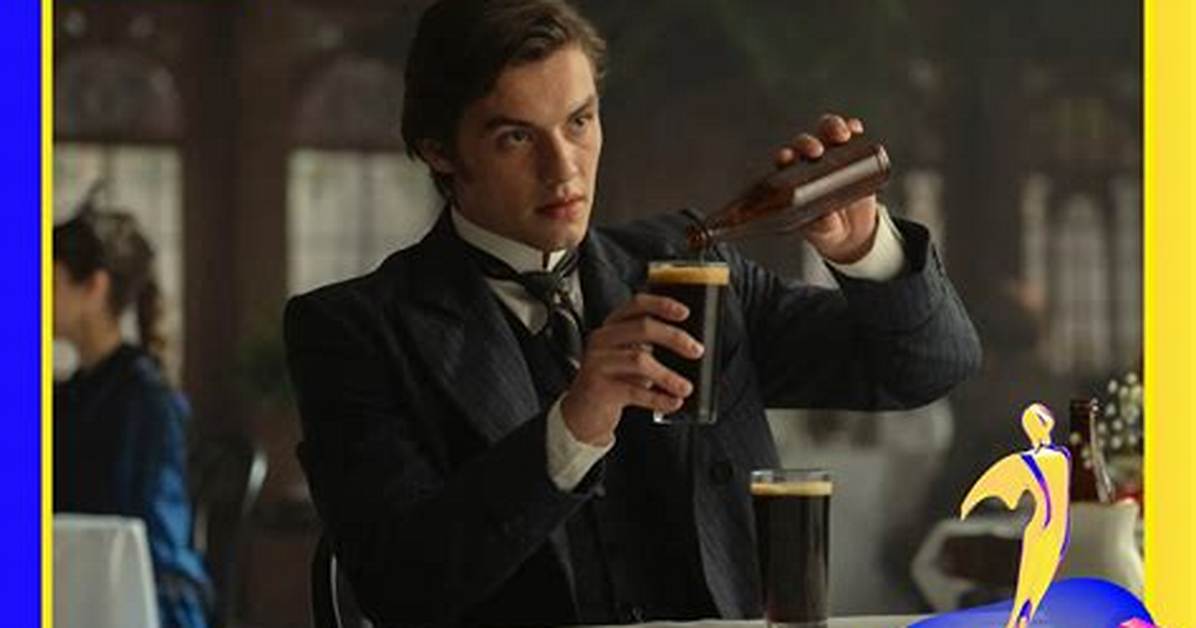
Why does an ambiguous performance immediately trigger widespread speculation that a real historical figure was gay? Part of the answer lies in how twenty-first-century viewers interpret Victorian social structures.
In the mid-to-late nineteenth century, elite men operated in intensely homosocial environments. From boarding schools like Eton to university life at Trinity College Dublin and elite gentlemen's clubs on Kildare Street, men spent months exclusively in male company. Emotional intimacy, passionate letters, and shared domestic living between male peers were widely accepted Victorian conventions that did not carry modern sexual connotations.
When modern audiences encounter these relationships through contemporary prestige television, they naturally look for subtext. Contemporary screenwriting often exploits this blurred line. Steven Knight understands that ambiguity generates conversation. By deliberately withholding conventional romantic resolutions for Arthur Edward and emphasizing his deep, melancholic bonds with other men, the series encourages viewer speculation without ever committing to an explicit historical claim that could draw pushback from biographers.
Moreover, the absence of biological heirs in high-profile dynasties frequently invites historical revisionism. Arthur Edward and his brother Edward Cecil held vastly different priorities. While Edward Cecil poured his energy into St James’s Gate and built the corporate powerhouse that went public on the London Stock Exchange in 1886, Arthur Edward stepped back. Modern audiences frequently mistake a historical figure's refusal of corporate or dynastic duty for a rejection of heteronormative social roles.
Sophia analyzes international trade, startup ecosystems, retail transformation, and supply chain logistics for modern digital publications.
