Inside the Fermentation Process: What Gives Douchi Its Signature Sizzle
 By Sophia Al-Mansoor
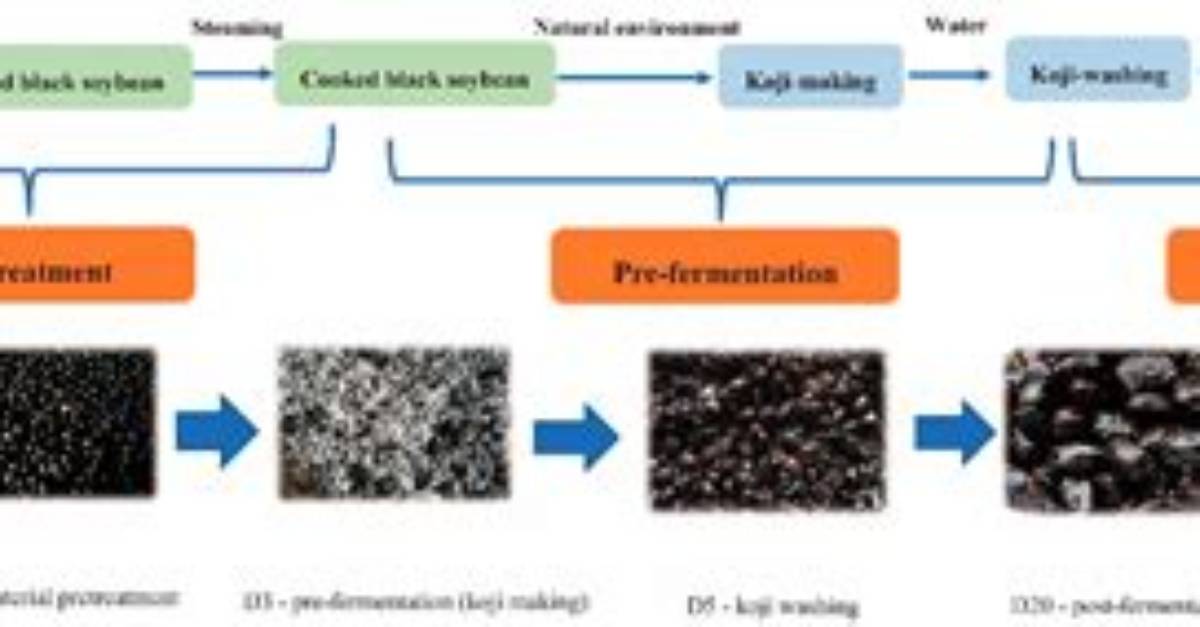
Western grocery aisles often blur whole fermented black beans with bottled black bean sauce, Japanese natto, or Korean black bean pastes (chunjang). These condiments operate on divergent chemical and culinary lines.
| Condiment Type | Primary Inoculant | Typical Salt Content | Texture & Moisture | Primary Culinary Application |
|---|---|---|---|---|
| Dry Salted Douchi | Aspergillus oryzae | 12%, 18% | Plump, semi-dry, firm | Wok stir-fries, steaming, pan-searing aromatics |
| Commercial Black Bean Sauce | Industrial douchi mash | 8%, 14% | Thick, glossy, starch-bound | Quick pan sauces, takeaway-style stir-fries |
| Japanese Natto | Bacillus subtilis var. natto | <1% (unsalted) | Mucilaginous, sticky strings | Cold breakfast staple over hot rice |
| Korean Chunjang | Aspergillus oryzae + wheat flour | 7%, 10% | Smooth, dense, oily paste | Jajangmyeon noodle base, simmered stews |
Commercial jarred sauces offer convenience but sacrifice structural contrast. Factory formulations dilute whole beans with water, sugar, cornstarch, and caramel color. Whole douchi, by contrast, gives you complete control over salt and sweetness, allowing the natural fermentation funk to sit center stage rather than hiding behind high-fructose syrup.
Sophia analyzes international trade, startup ecosystems, retail transformation, and supply chain logistics for modern digital publications.
Tags:
fermented black beans
