Inside the Elena Moore Investigation: What Autopsy Findings and Gym Surveillance Reveal
 By Chloe Bennett
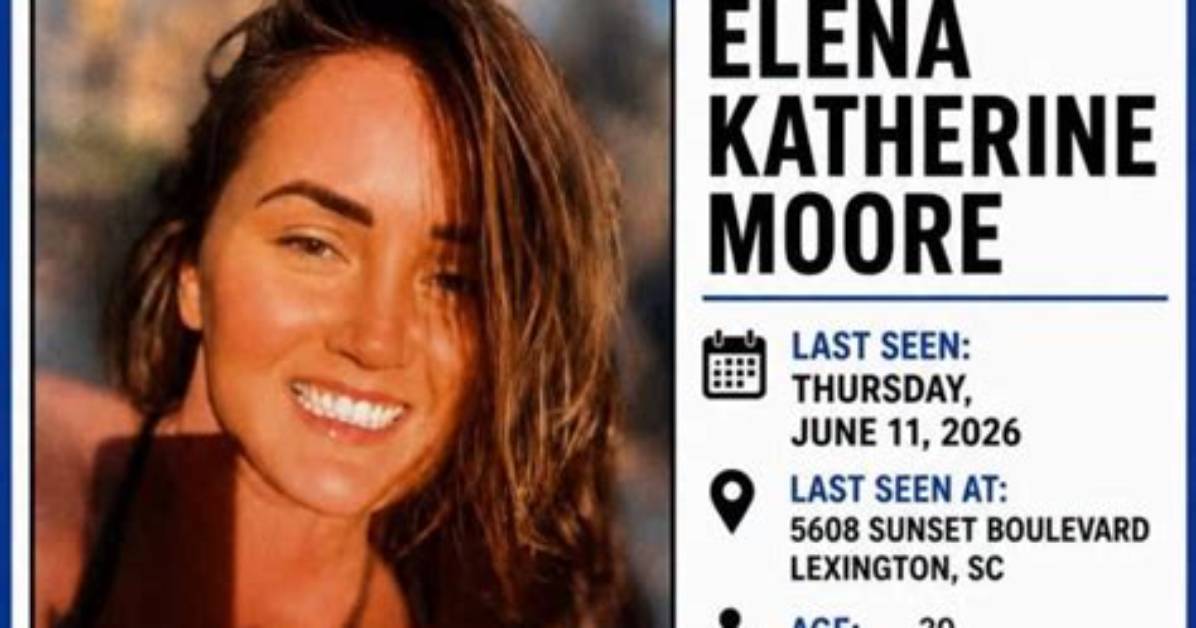
When the county coroner report was formally finalized, it dismantled the most extreme online theories. The external physical examination showed no signs of strangulation, petechial hemorrhaging, knife lacerations, or bullet wounds. Forensic dental and radiographic checks corroborated that Moore had sustained no acute blunt trauma prior to death.
State pathology laboratories conducted advanced toxicology panels covering hundreds of compounds, including central nervous system depressants, volatile organics, synthetic opioids, and common paralysis agents. The results came back negative for any lethal toxicity. Minor therapeutic levels of over-the-counter anti-inflammatory medicine were present, completely consistent with routine athletic recovery. Because the tissue analysis revealed no underlying anatomical catastrophe, such as an aortic rupture or cerebral aneurysm, pathologists were bound by medical ethics to classify the case as an unexplained cause of death. In forensic medicine, an undetermined classification is not an admission of procedural failure; it is a clinical acknowledgment that the physical evidence does not meet the legal threshold to assign a natural, accidental, or homicidal ruling.
Chloe Bennett explores the intersection of pop culture, streaming entertainment, digital trends, and contemporary lifestyle. Her weekly commentary reaches thousands of culture enthusiasts.
