Inside the Celebrity Deepfake Boom: Sabrina Carpenter and the Modern Ai Scams
 By Marcus Vance
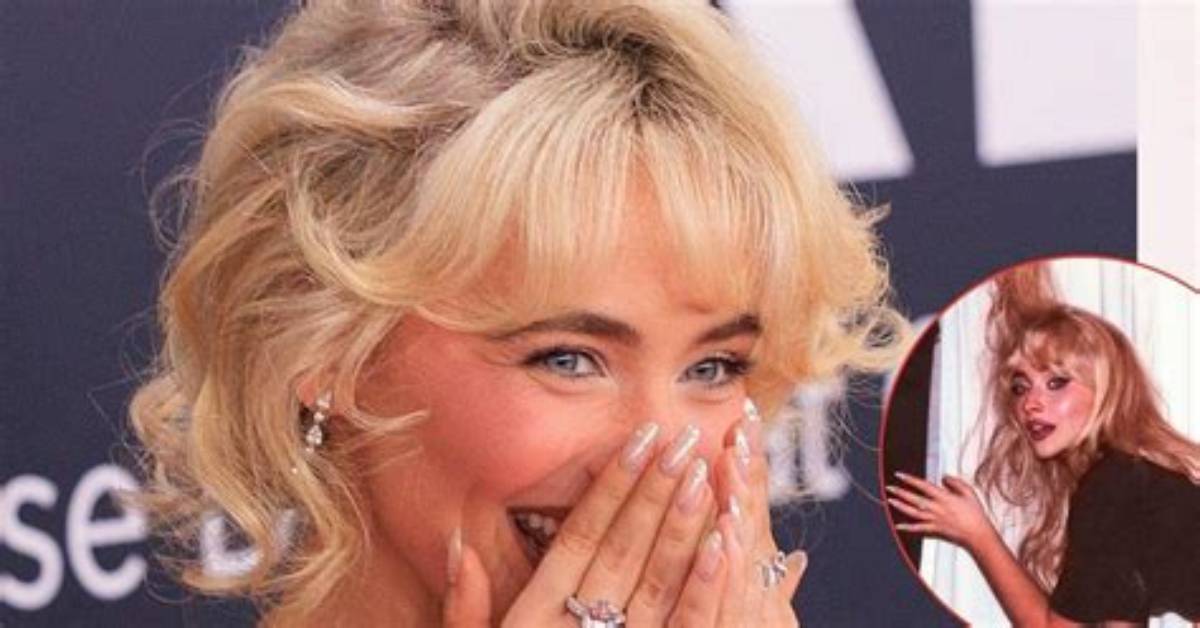
The commercial applications of celebrity deepfakes have shifted rapidly from experimental novelty into industrial fraud. The primary vectors targeting Carpenter’s audience are fraudulent sponsored posts deployed across short-form video platforms. These ads feature synthetic audio clones mimicking her distinct speaking cadence, claiming that an exclusive batch of luxury hair styling tools, designer apparel, or high-end makeup kits is being distributed for free due to a promotional error or brand clearance.
Victims who click through are routed to convincing clone sites that mimic major consumer brands. To claim the alleged giveaway, users must pay a nominal $6.95 or $9.99 shipping fee. In practice, entering payment information enrolls the victim into recurring, unauthorized monthly billing subscriptions hidden inside obfuscated terms of service, or hands payment credentials directly to card-harvesting syndicates operating outside domestic legal jurisdictions.
Federal regulators have struggled to keep pace. While the Federal Trade Commission has warned against deceptive AI endorsements, enforcement remains reactive. The sheer volume of disposable ad accounts, often registered using stolen payment profiles and automated VPN routing, means malicious ad campaigns run for days before manual review teams can intervene.
Marcus Vance is a cybersecurity auditor and technology writer dedicated to educating the public about online safety, data privacy regulations, enterprise security, and emerging cyber threats.
