Inside the Braising Pot: the Transformation of Cow Tongue Tacos Explained
 By Chloe Bennett
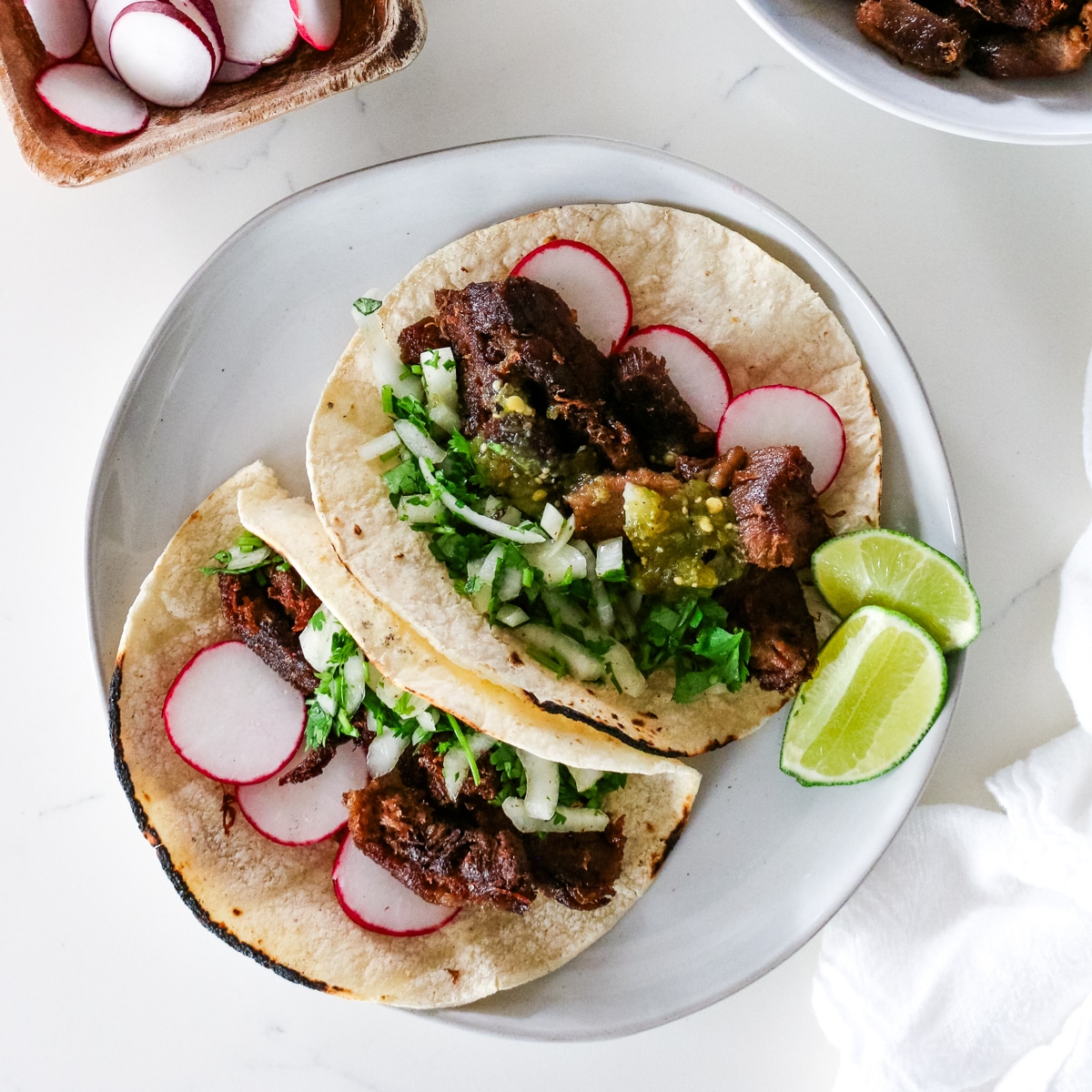
Tongue is not an ordinary cut of steak. It consists of multiple intersecting muscle groups, the longitudinal, transverse, and vertical fibers, designed for continuous mobility. These fibers are bundled inside thick sheaths of Type I and Type III collagen.
Cook a cow tongue over high, dry heat like a flank steak, and it turns into vulcanized rubber. The meat seizes up, trapping moisture inside rigid protein networks. The secret to unlocking tenderness lies in the slow braising technique. Collagen denatures at sustained temperatures between 160°F and 180°F, gradually hydrolyzing into soft, water-soluble gelatin.
Gelatin coats the individual muscle strands as they loosen. This chemical transition produces that unctuous, rich sensation on the palate. Unlike leaner cuts that dry out during extended cooking, tongue carries enough internal marbling to stay succulent through hours of simmering.
Chloe Bennett explores the intersection of pop culture, streaming entertainment, digital trends, and contemporary lifestyle. Her weekly commentary reaches thousands of culture enthusiasts.
