Inside Fruit Tree: How Emma Stone Is Quietly Reshaping Modern Television
 By Sophia Al-Mansoor
Stone’s initial transition to episodic storytelling arrived in 2018 with Patrick Somerville and Cary Joji Fukunaga’s Maniac on Netflix. At the time, streaming platforms were aggressively writing nine-figure checks to lure marquee film actors into limited series. Maniac succeeded critically, but Stone’s performance alongside Jonah Hill functioned as an educational exercise in small-screen infrastructure. She took an executive producer credit, paid attention to the mechanics of long-form narrative pacing, and noted how streaming platforms handled auteur-driven projects.
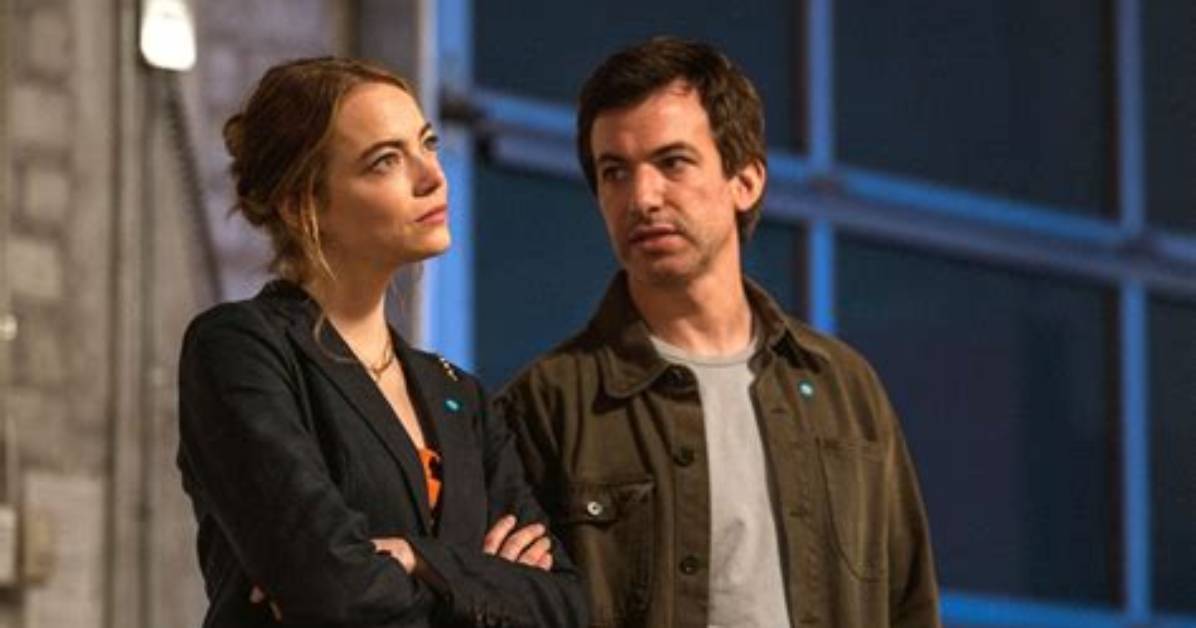
The definitive turn occurred five years later with The Curse. Co-created by Nathan Fielder and Benny Safdie for Showtime and A24, the ten-episode series stood as an assault on conventional narrative television. As Whitney Siegel, a self-deluded HGTV renovator attempting to build passive-energy homes in Española, New Mexico, Stone turned in arguably the bravest performance of her career.
She played a deeply unlikable, ethically compromised character without offering audiences an ounce of redemption. More importantly, Fruit Tree helped shield the production’s jarring pacing and surrealist finale from network smoothing. The Curse ignited fierce debate across social platforms and television forums, earning critical praise precisely because it refused to play by standard prestige-drama rules. It clarified Fruit Tree’s editorial mission: invest in discomfort, reject vanity, and prioritize creators who make audiences squirm.
Sophia analyzes international trade, startup ecosystems, retail transformation, and supply chain logistics for modern digital publications.
