How to Spot Poison Ivy in Grass: Tell-Tale Signs and Common Lookalikes
 By Sophia Al-Mansoor
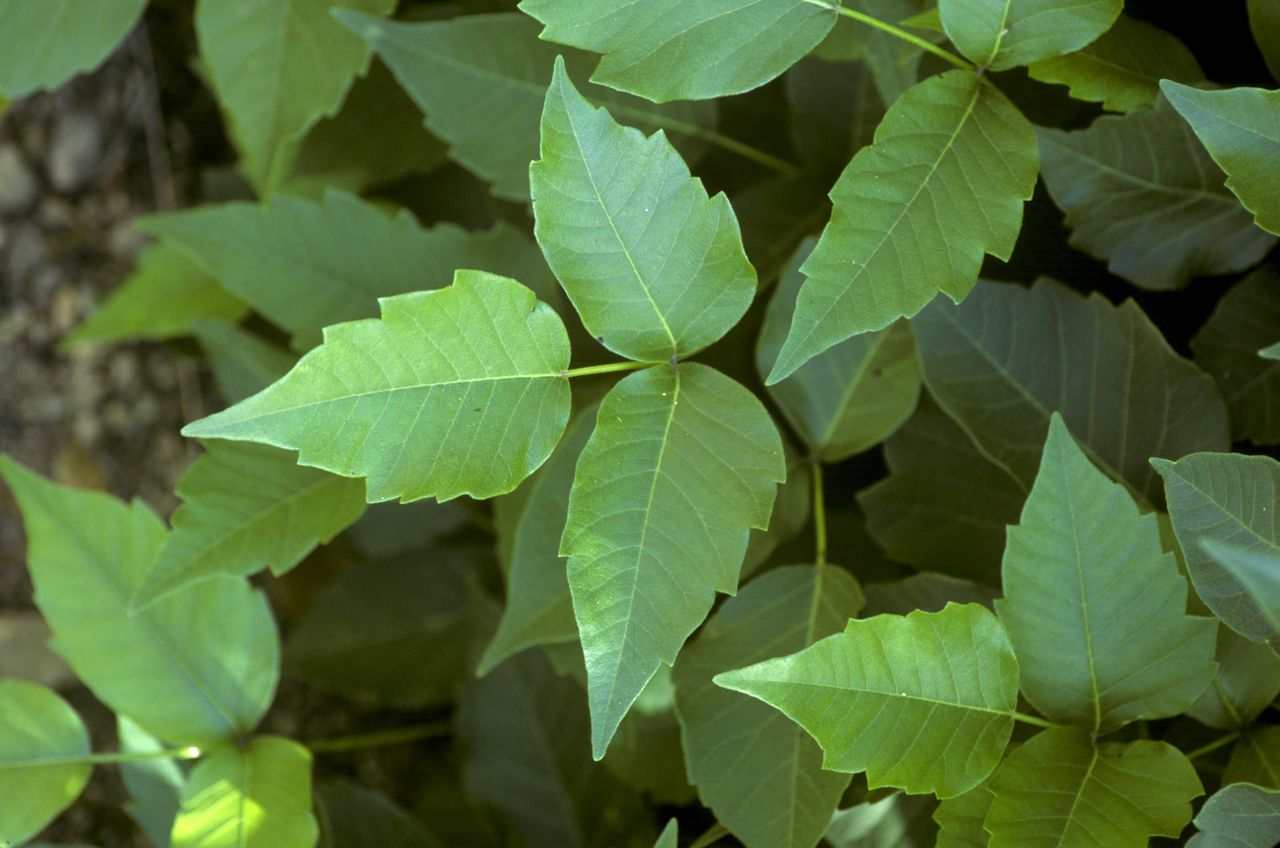
Poison ivy rarely begins in the center of an open yard. It starts along perimeter fences, woodland margins, or under shaded tree canopies where birds deposit the seeds after eating the plant's white, waxy berries. Once established, these fast-growing vines can stretch 20 feet each season, running subterranean rhizomes directly underneath established sod.
Lawns bordering unmanaged greenbelts or neglected fence lines face the highest infiltration rates. As rhizomes creep outward, roots shoot vertical stems into the grass. When these vertical shoots emerge within a patch of tall fescue or Kentucky bluegrass, they match the surrounding lawn color. Homeowners often step on or hand-pull them without realizing what they are touching.
Early detection prevents widespread root systems from taking over your yard. Spotting these shoots requires recognizing structural anomalies across the uniform surface of your turf.
Sophia analyzes international trade, startup ecosystems, retail transformation, and supply chain logistics for modern digital publications.
