How to Say 'I Love You' in Korean: Complete Guide to Hangul, Meaning, and Nuance
 By Maya Lin-Takahashi
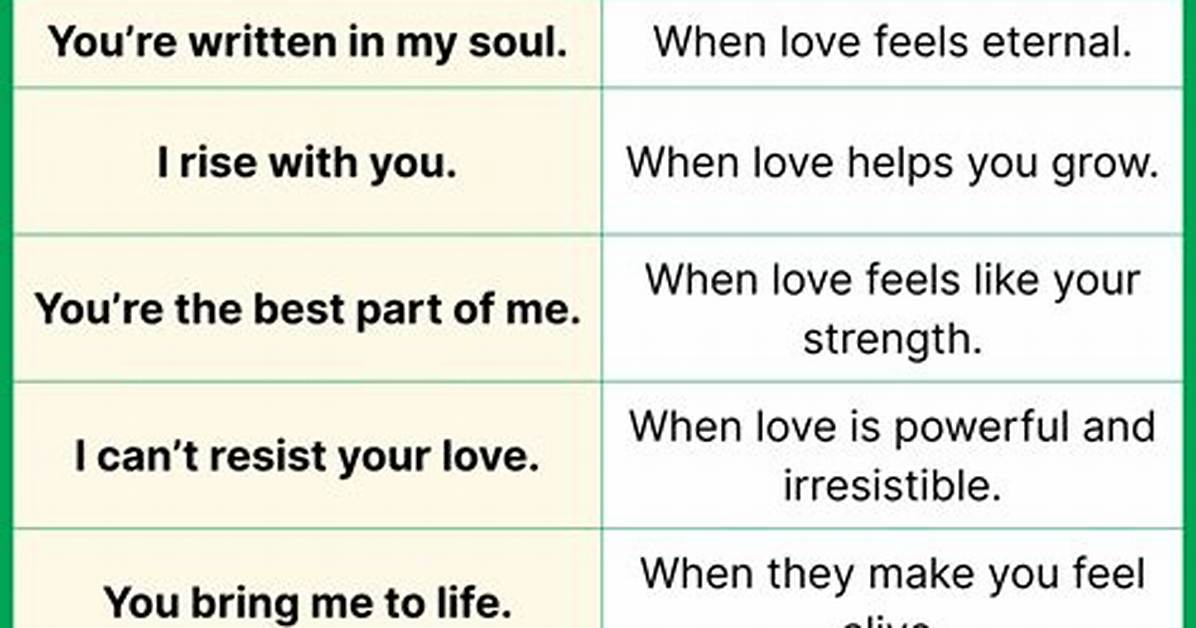
Understanding which phrase fits each relationship stage protects speakers from social blunders. The table below outlines how romantic expressions shift as social dynamics change.
| Expression & Hangul | Formality Level | Appropriate Social Context |
|---|---|---|
| Saranghamnida (사랑합니다) | Formal Polite | Public speeches, wedding vows, worship, corporate addresses |
| Saranghaeyo (사랑해요) | Polite Standard | Family members, older romantic partners, early dating phase |
| Saranghae (사랑해) | Informal (Banmal) | Committed couples, same-age partners, younger siblings |
| Naedo saranghae (나도 사랑해) | Informal Reciprocal | Responding "I love you too" to an established partner |
| Joahaeyo (좋아해요) | Polite Interest | The initial confession (gobaek), early courtship stage |
| Bogo sipeo (보고 싶어) | Informal Longing | Saying "I miss you" or "I want to see you" in ongoing relationships |
Maya is a hardware enthusiast who tests and reviews smart home devices, smartphones, wearables, and audio gear. She focuses on practical consumer value and build quality.
Tags:
i love u in korean
