How to Identify the Gympie-Gympie Plant in the Wild Before It's Too Late
 By Elena Rostova
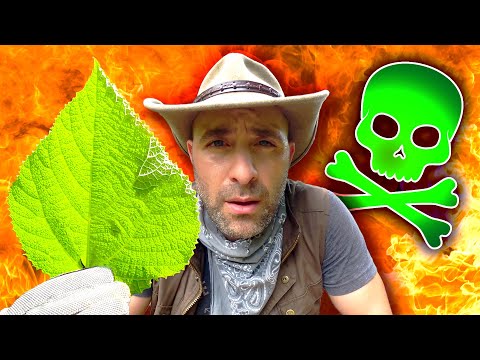
Q1: Can walking near a Gympie-Gympie tree harm you without direct contact?
A1: Yes. The plant sheds brittle silica hairs continuously, especially during dry or windy weather, and when trail crews clear brush nearby. Inhaling these airborne trichomes causes intense sneezing, nosebleeds, severe sinus irritation, and respiratory distress. Forest rangers working in dense stands routinely wear P2/N95 particulate respirators and eye protection.
Q2: Why do traditional painkillers fail to relieve a Gympie-Gympie sting?
A2: Conventional analgesics like ibuprofen reduce inflammation, while opioids dampen pain perception inside the central nervous system. Neither medication prevents the gympietides from mechanically jamming sodium channels open in peripheral nerves. Because the local peripheral neurons fire at maximum intensity without stopping, standard pain pathways become overwhelmed.
Q3: How long does the pain from a severe sting typically last?
A3: The acute, incapacitating burning sensation lasts roughly 24 to 72 hours. However, the secondary neuropathic pain phase can persist for weeks or several months. Cold showers, physical pressure, or sudden environmental temperature shifts can reactivate sharp, shooting pain at the original sting site for over a year after contact.
Elena Rostova holds a Master's degree in Public Health Journalism. She covers groundbreaking medical research, holistic wellness trends, mental health awareness, and nutritional science.
