How Amazon Fulfillment Picking Totes Work: Robotic Routing, Proteus Upgrades, and Associate Roles
 By Alexander Ross
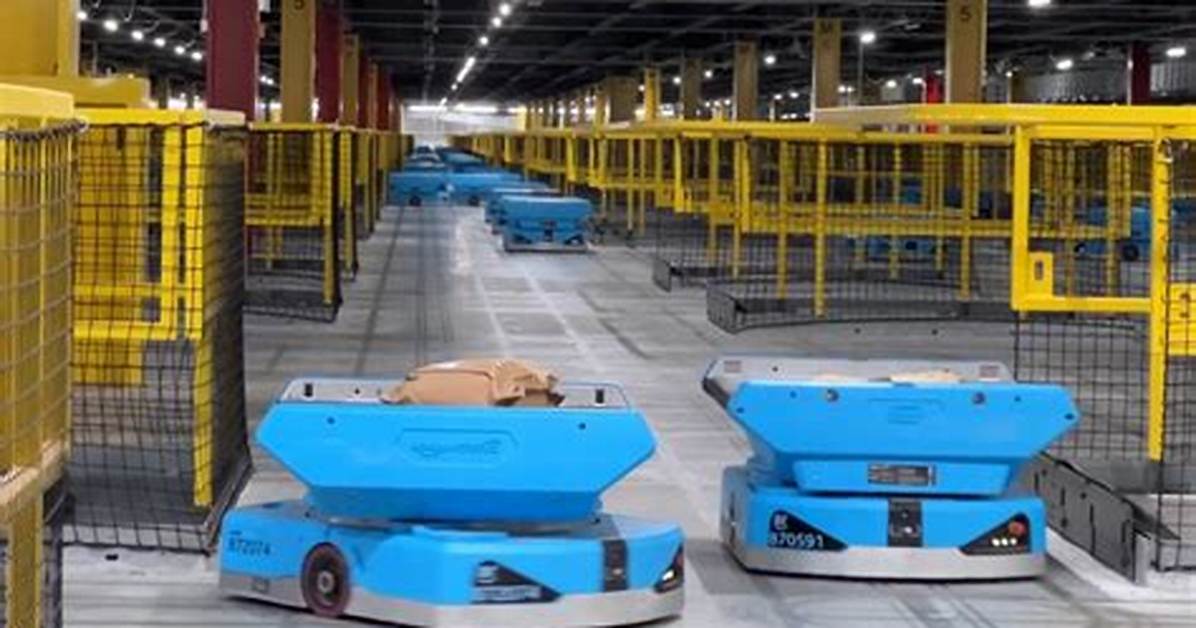
Q1: Why does Amazon use plastic totes instead of cardboard boxes during the picking stage?
A1: Standardized plastic picking totes provide structural rigidity, uniform exterior dimensions, and precise barcode placement. Cardboard boxes vary in size and can collapse or warp under roller pressure, causing jams in high-speed automated sorting chutes.
Q2: How does a Proteus robot avoid hitting human associates while transporting totes?
A2: Proteus uses an array of LiDAR sensors, computer vision cameras, and spatial-awareness algorithms. When a human walks into its direct trajectory, the robot slows smoothly, emits an audible chime, and projects green light patterns on the floor to signal its presence and intended path.
Q3: What happens if an associate places an incorrect item inside a picking tote?
A3: The pick station's optical sensors and scale weigh the tote immediately after item placement. If the scanned item does not match the product weight recorded in the catalog, or if an overhead camera detects an unexpected dimension, the system flags the tote. The automated routing lines then divert the tote to an exception station, where a problem-solver manually audits the contents.
Alexander Ross has covered the video game industry for a decade, writing deep dives on game design, esports tournaments, VR developments, and gaming culture.
