How a Bizarre Apple Store Meme Took over Halloween Costumes and Feeds
 By Elena Rostova
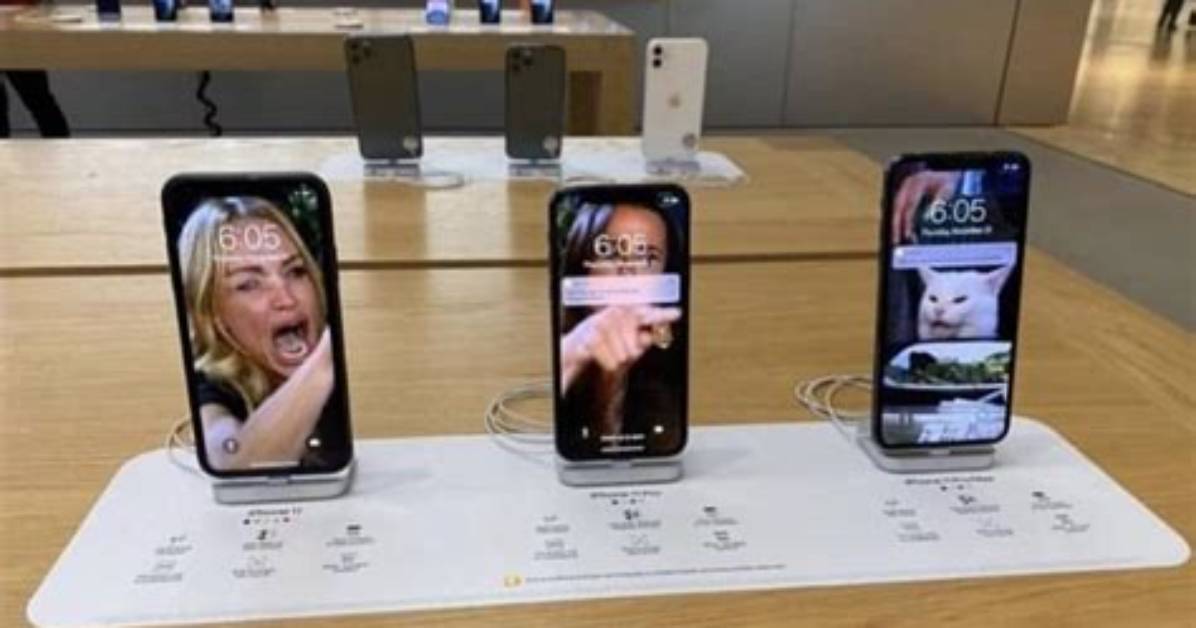
The meme did not begin with a scripted punchline. It started as an experiment with generative text-to-image software, likely Midjourney or Bing Image Creator, where users entered increasingly surreal combinations of everyday retail settings and primate biology. Sometime in mid-2024, an image depicting a small, sad-eyed creature with ginger fuzz standing amid glowing display tables and minimalist glass storefronts went public. The visual dissonance between the sterile tech aesthetic and the ragged, sympathetic creature struck an immediate chord.
Anonymous accounts paired the image with non sequitur captions, most notably the phrase "gay little monkey in the apple store" and "monkey boy in the Apple Store." Online humor historically relied on shared cultural references like movie scenes or political slip-ups. This new iteration depended entirely on hyper-specific incoherence. Comment sections quickly bypassed the bizarre visuals to draw a single, unanimous comparison: the creature bore an uncanny, unintended resemblance to Ed Sheeran.
Side-by-side edits swept across X and Instagram within weeks. The joke relied heavily on Gen Z meme culture's affinity for deadpan absurdity. Commenters flooded fan forums and video clips with mock empathy, claiming the creature looked like it was waiting patiently for a battery replacement or browsing for wireless headphones. The surreal image transformed into a mascot for social awkwardness in corporate spaces.
Elena Rostova holds a Master's degree in Public Health Journalism. She covers groundbreaking medical research, holistic wellness trends, mental health awareness, and nutritional science.
