How a 1997 Simpsons Gag Snowballed into a Massive 2026 World Cup Rumor
 By James H. Sterling
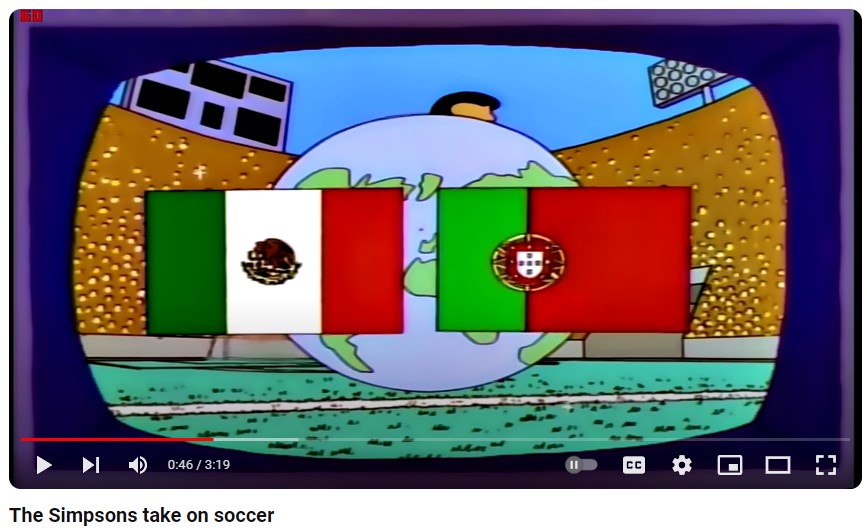
The persistence of these viral cartoon premonitions speaks to the broader pop culture accuracy myth surrounding long-running animated television. Over more than 750 episodes produced across nearly four decades, the writing team generated tens of thousands of jokes, cultural references, and speculative sight gags. Mathematical probability dictates that a fraction of those jokes will inevitably resemble real-world occurrences years later.
Former showrunner Al Jean addressed this dynamic directly in multiple interviews, explaining that the writing staff comprised Ivy League-educated humorists with keen interests in politics, history, and sociology. When a group of sharp observers writes thousands of topical scripts, smart forecasts occur naturally through sheer volume and cultural literacy. They did not possess a secret window into the future; they simply analyzed human behavior and institutional incompetence.
In modern sports culture, speculative folklore serves an emotional need. Major tournaments create immense tension, high betting stakes, and global debates. Attributing uncanny prescience to beloved childhood entertainment offers a comforting sense of narrative order. Fans prefer believing that writers mapped out the 2026 FIFA World Cup final decades ago rather than accepting that athletic tournaments remain inherently chaotic, unpredictable, and determined solely on the pitch.
James Sterling reports on renewable energy developments, climate policy, ecological conservation, and green tech innovations around the globe.
