Is 50 Cm the Same as 50 Inches? the Conversion Errors You Must Avoid
 By Alexander Ross
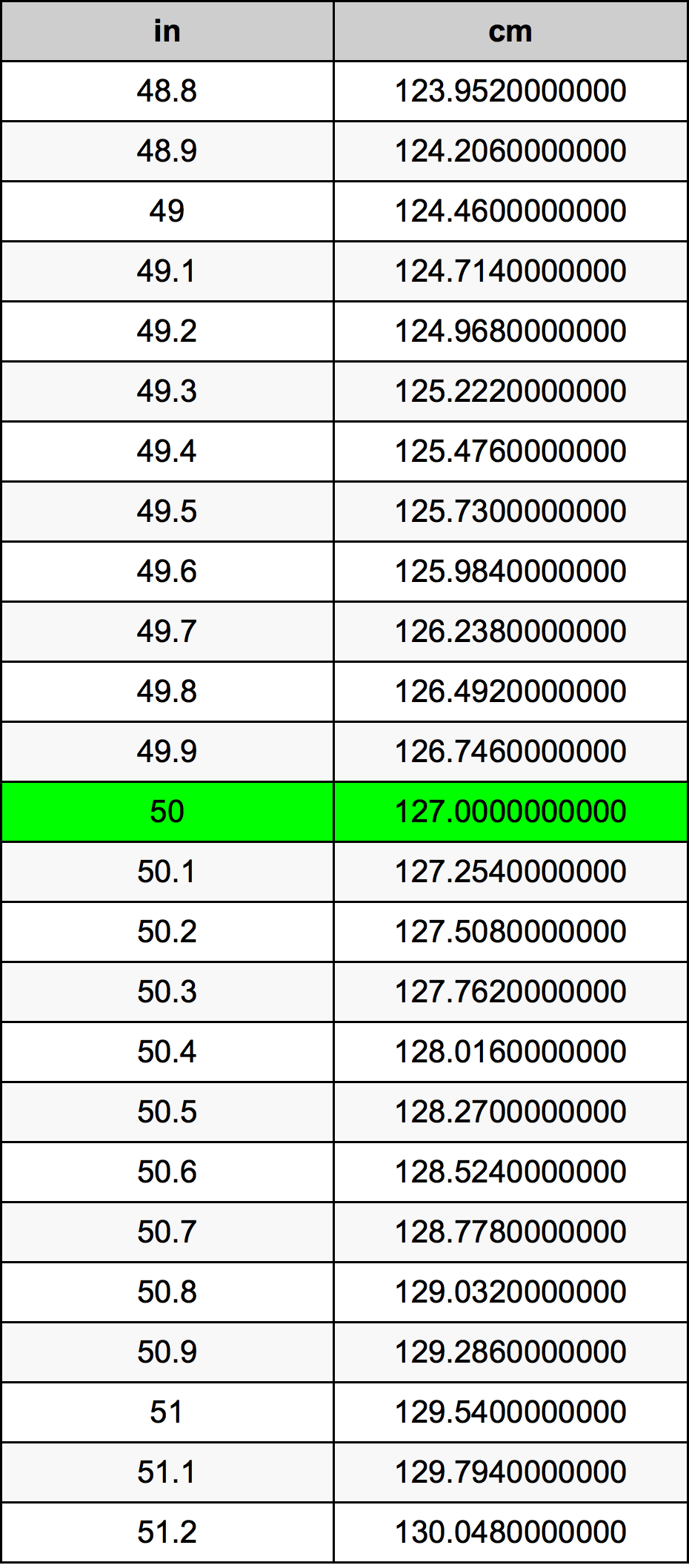
Home entertainment setups generate the vast majority of consumer conversion mistakes. Retailers market televisions primarily by their diagonal screen size rather than their actual horizontal span or vertical clearance.
When you buy a 50-inch display, that 127 cm metric reflects the corner-to-corner measurement across the active panel glass. It tells you nothing about the horizontal profile unless you run a width and height calculation based on the standard widescreen 16:9 aspect ratio.
Using basic trigonometry on a 16:9 panel:
- Panel Width: Roughly 43.6 inches (110.7 cm)
- Panel Height: Roughly 24.5 inches (62.2 cm)
- Diagonal Span: Exactly 50.0 inches (127.0 cm)
Shoppers who reserve a 50-centimeter opening on an entertainment stand will find their new television is over double the width of the open space. Even if they realize the TV is larger than 50 cm, many forget that bezels, integrated stands, and side-mounted cable connections add another 2 to 5 centimeters to the footprint.
Display viewing distance also hinges on imperial-to-metric calculations. For a native 4K display measuring 50 inches diagonally, home theater standards from SMPTE and THX recommend a viewing distance between 5.0 and 6.5 feet (roughly 1.5 to 2.0 meters). If a buyer mistakenly treats the viewing zone as 50 inches from the sofa, they sit awkwardly close, causing eye strain and visible pixel grain.
Alexander Ross has covered the video game industry for a decade, writing deep dives on game design, esports tournaments, VR developments, and gaming culture.
