Heart Health Guidelines Spark Fresh Scrutiny over 8-Ounce Cup Measurements
 By Robert Thorne
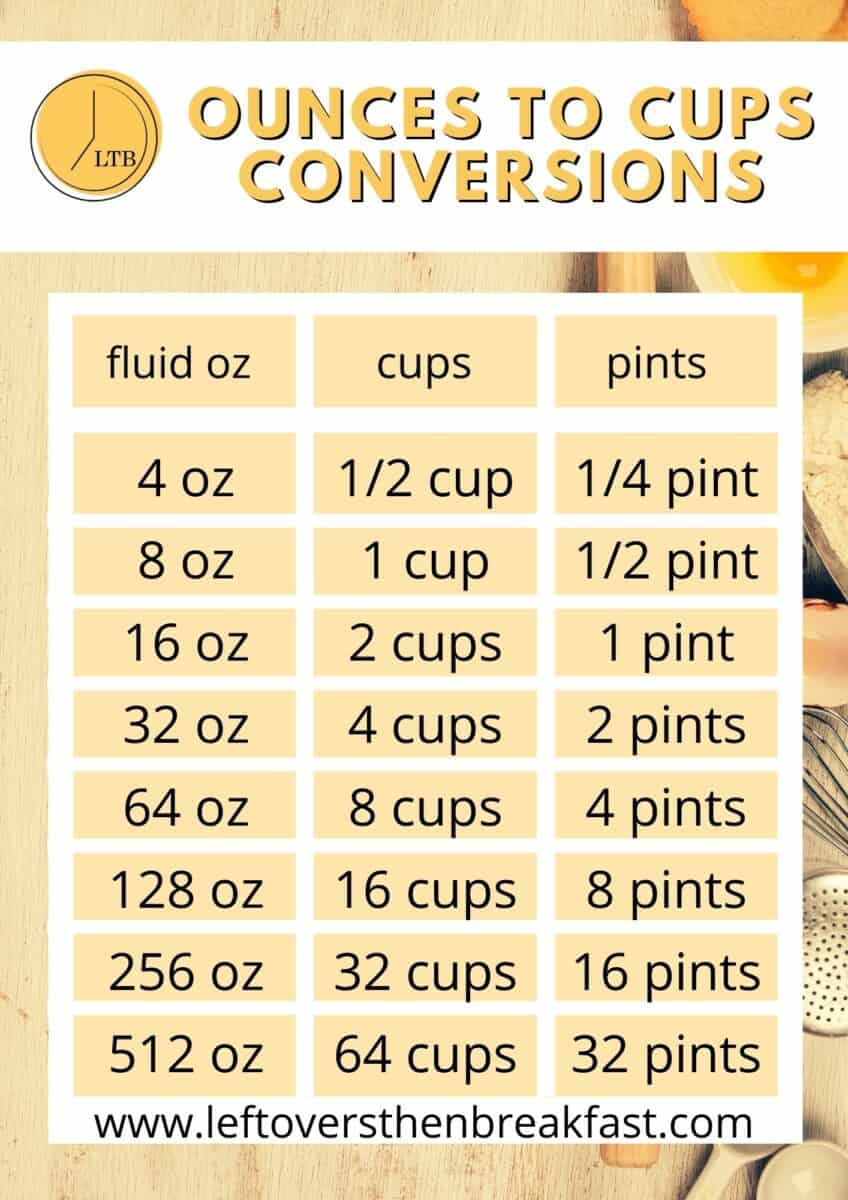
When the American Heart Association and clinical cardiology journals publish observational findings on caffeinated coffee intake, their datasets reflect rigid nutritional formulas. A study finding reduced cardiovascular mortality at "3 to 5 cups daily" references an exposure of 24 to 40 fluid ounces of brewed coffee per day.
That volume threshold aligns closely with the long-standing guidance from the US Food and Drug Administration (FDA) and the European Food Safety Authority (EFSA), which caps safe daily caffeine limits for healthy adults at 400 milligrams. An average 8-ounce cup of home-drip Arabica delivers approximately 95 to 100 milligrams of caffeine. Four 8-ounce cups bring an individual right to that 400-milligram line.
The table below breaks down how real-world drinking formats stack up against the scientific 8-ounce baseline:
| Vessel Type | Liquid Volume | Actual US Cups (8 oz) | Estimated Caffeine |
|---|---|---|---|
| Appliance Carafe Serving | 5, 6 fl oz | 0.62, 0.75 cups | 60, 75 mg |
| Standard US Dietary Cup | 8 fl oz | 1.0 cup | 95, 100 mg |
| Modern Kitchen Ceramic Mug | 12, 16 fl oz | 1.5, 2.0 cups | 140, 200 mg |
| Coffeehouse "Medium" or "Grande" | 16 fl oz | 2.0 cups | 200, 310 mg |
| Commuter Insulated Tumbler | 20, 24 fl oz | 2.5, 3.0 cups | 240, 380 mg |
Robert Thorne covers electric vehicle innovations, autonomous driving systems, global mobility trends, and automotive engineering developments.
