Headline Breakdown: How Major Outlets Replace 'Outrageous' for Maximum Impact
 By Sarah Jenkins
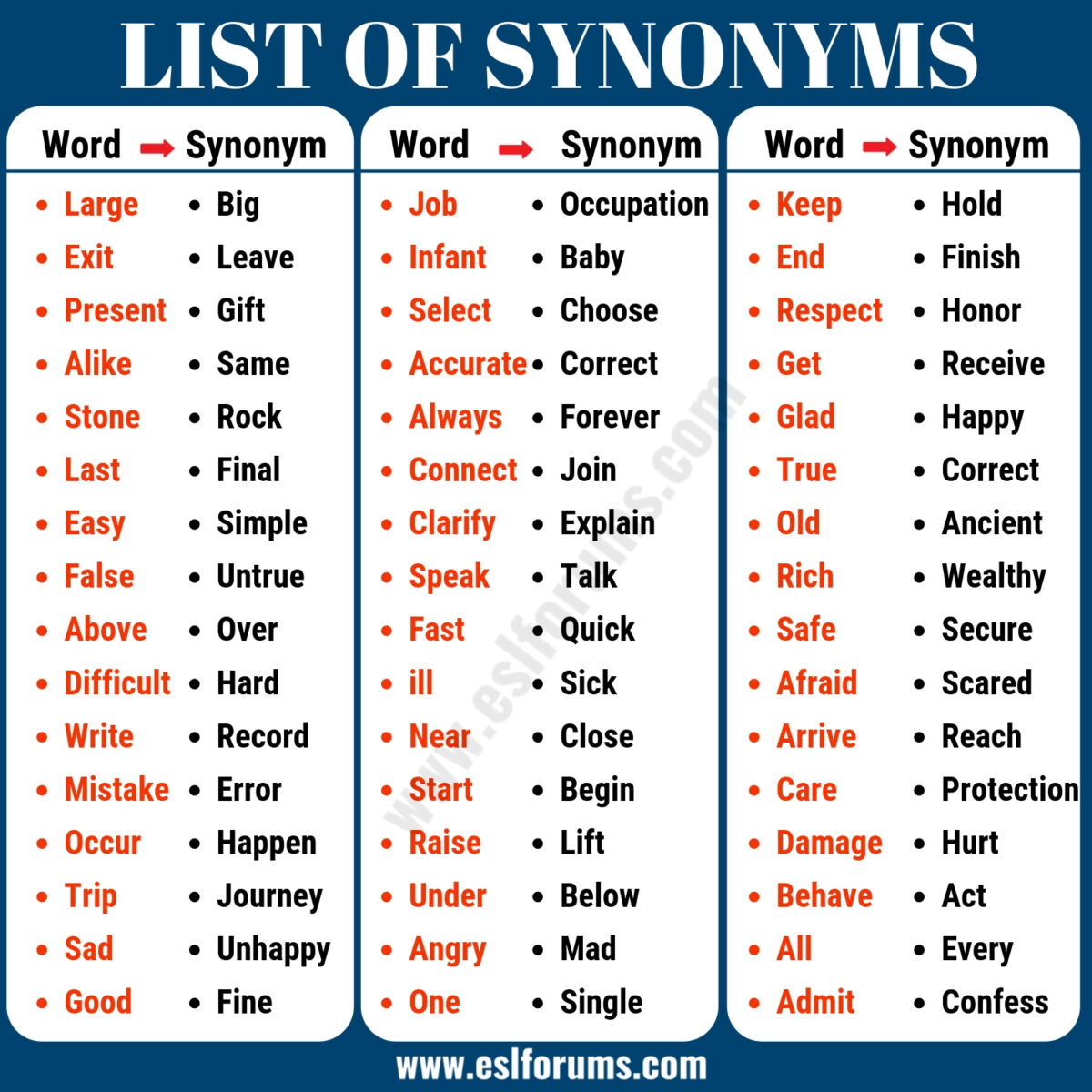
The decline of "outrageous" began when digital editors realized readers were tuning out empty adjectives. Tracking data across high-volume publishers demonstrated that broad, subjective labels failed to hold attention against video feeds and push alerts. If an editorial team describes a price hike, an administrative failure, and a celebrity divorce using the exact same emotional descriptor, the word ceases to mean anything.
Linguists call this semantic drift, but digital desks treat it as an engagement bottleneck. Internal A/B tests conducted by major publishing groups found that readers instinctively identify "outrageous" as cheap editorializing. Audiences skip past it in search of objective authority or concrete details. To rebuild authority without sacrificing reader curiosity, copy desks rebuilt their sensational headlines vocabulary around terms that pinpoint the exact nature of an offense.
Newsrooms now categorize high-intensity adjectives by their psychological trigger. A political stunt demands words that signal absurdity, while corporate malfeasance calls for phrases that imply regulatory illegality. By retiring blunt instruments in favor of calculated linguistic framing, desks produce copy that cuts straight through reader apathy.
Sarah Jenkins is a veteran tech journalist with over 12 years of experience covering artificial intelligence, mobile innovations, and digital ethics. Her insights have appeared in leading technology publications worldwide.
