Have You Seen a Dog Wearing Yellow? the Critical Safety Meaning Behind the Yellow Ribbon Project
 By Marcus Vance
The practice traces back to September 2012, when Swedish dog trainer Eva Oliversson launched the international Yellow Dog Project. Oliversson recognized a persistent gap in suburban pet etiquette: well-meaning strangers often rushed up to greet unfamiliar dogs, triggering acute defense mechanisms in animals that were already emotionally overwhelmed.
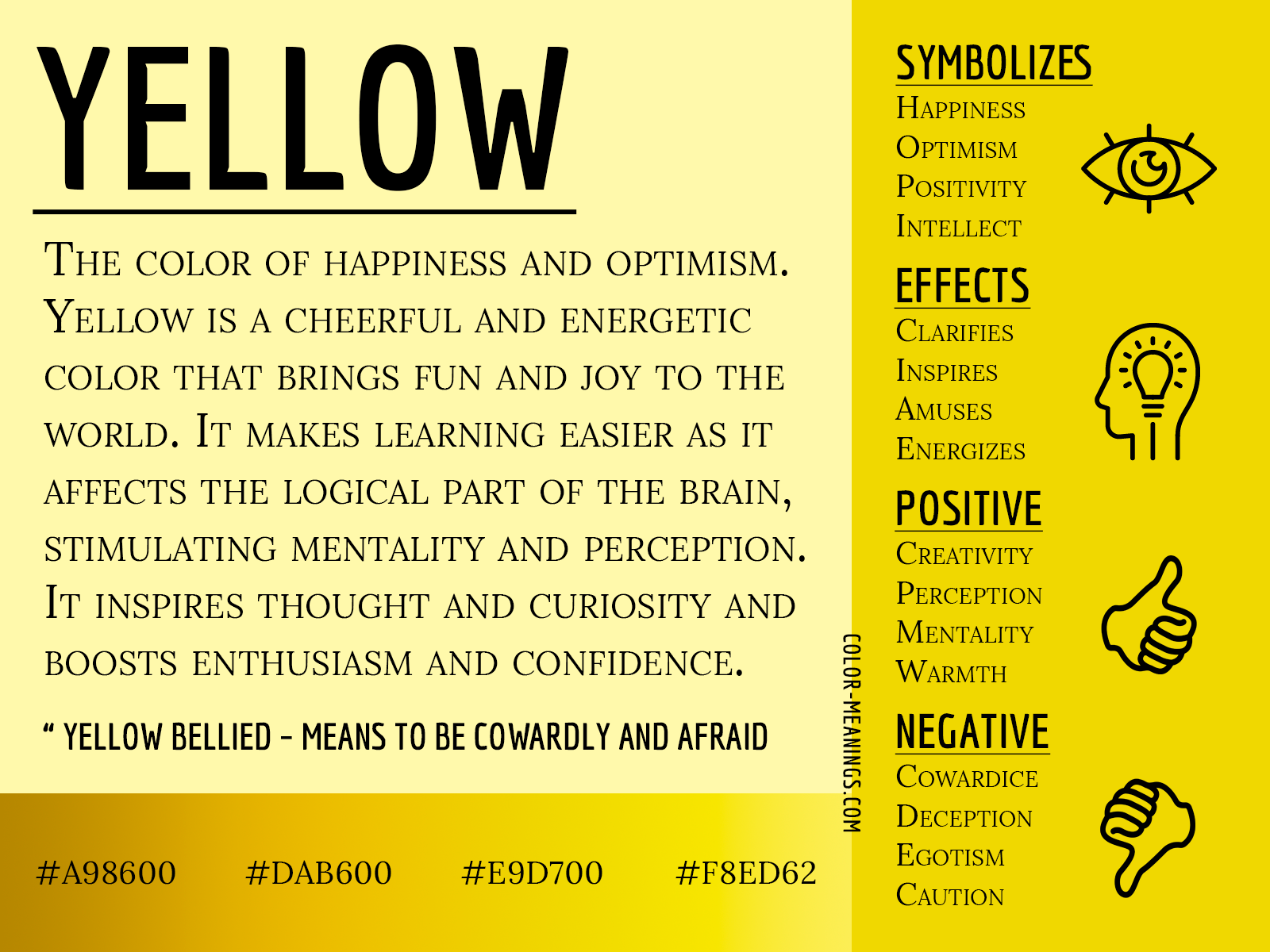
The color yellow was chosen intentionally. In global transit systems and industrial safety standards, red signals an immediate stop, while green indicates clear passage. Yellow represents caution. It asks passersby to slow down, look, and assess the situation before stepping into an animal's personal perimeter. Over the past decade, grassroots advocacy expanded the concept across dozens of countries, inspiring dedicated regional awareness campaigns such as National Dogs in Yellow Day, observed annually on March 20.
The system relies entirely on public literacy. Unlike service dogs wearing branded working vests, a companion animal tied to a yellow leash often looks like any other family pet. When an unaware jogger or an unrestrained puppy cuts into that animal's defensive zone, the safety mechanism breaks down.
Marcus Vance is a cybersecurity auditor and technology writer dedicated to educating the public about online safety, data privacy regulations, enterprise security, and emerging cyber threats.
