Hall Passes and Locked Doors: How Bathroom Limits Escalated in Schools
 By Chloe Bennett
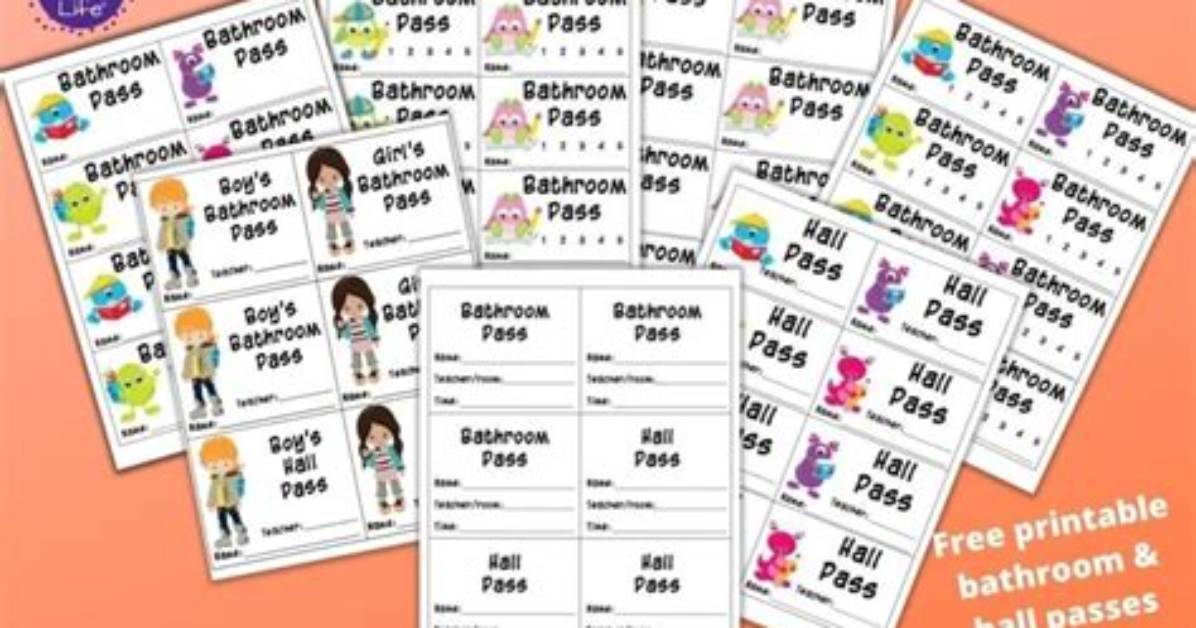
Q1: Can a public school teacher legally deny a student the right to use the bathroom?
A: Generally, teachers have the authority to manage the timing of classroom departures to prevent disruption, asking students to wait a few minutes during instruction. However, they cannot legally enforce blanket bans, refuse clear emergencies, or deny students with documented medical conditions. Doing so exposes the school to negligence claims and civil rights violations.
Q2: What should parents do if a school policy prevents their child from accessing the restroom?
A: If your child has a medical condition, request an immediate Section 504 accommodation plan with documentation from a physician, which carries federal legal weight. If the issue is a building-wide rule, request written clarification of the district's restroom policy from the principal and bring the issue before the local school board, citing state health codes and student safety standards.
Q3: Does a student without a medical note have any legal protection if they are denied access?
A: Yes. Public school students are protected by general duty-of-care standards. If an educator's refusal forces a student to soil themselves or causes acute physical harm such as a severe urinary tract infection, the district and staff can face legal liability for negligence and intentional infliction of emotional distress, regardless of whether a prior medical diagnosis was on file.
Chloe Bennett explores the intersection of pop culture, streaming entertainment, digital trends, and contemporary lifestyle. Her weekly commentary reaches thousands of culture enthusiasts.
