Google's Evolution of Search History: from Basic Query Logs to Advanced Ai Training
 By Sophia Al-Mansoor
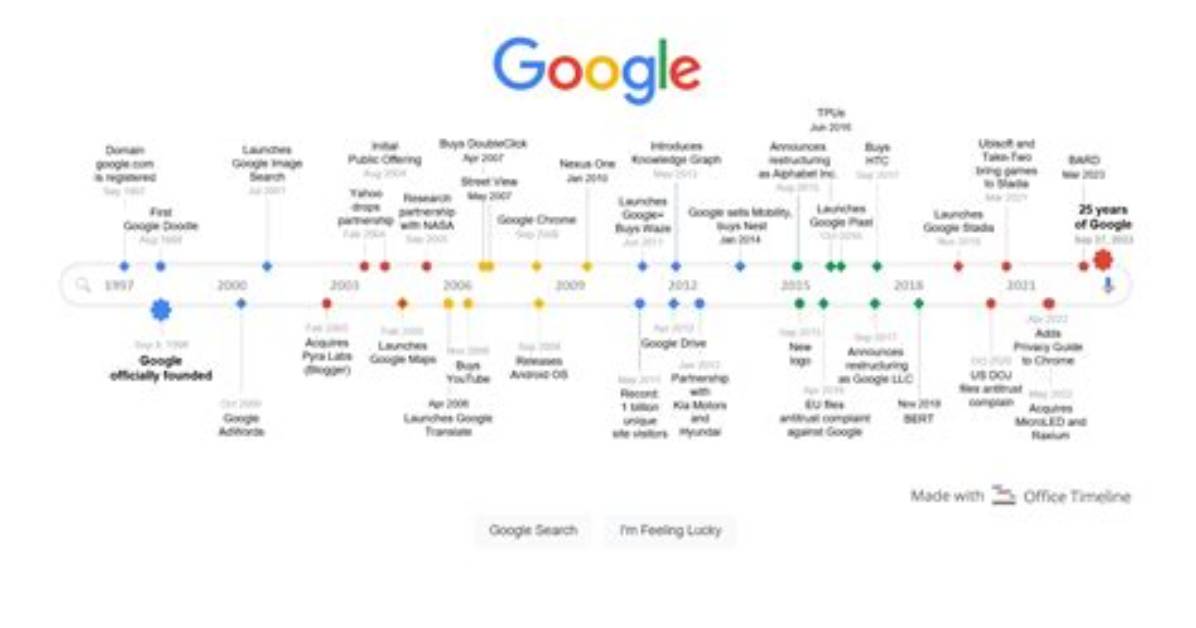
By the time Google consolidated its disparate privacy policies under a single unified infrastructure in 2012, individual tracking had morphed into Web & App Activity. This framework did not simply log what you typed into a search box. It documented which app opened the link, your physical coordinates, the specific device hardware used, and the subsequent path taken across Google-owned properties.
Personalized search algorithms leveraged this data directly. If two people typed "apple" into a search bar, an orchard worker saw agricultural reports while an equity analyst received financial tickers. The engine relied heavily on behavioral feedback loops: queries produced clicks, clicks confirmed relevance, and relevance dictated subsequent query recommendations. Behind the curtain, Google Account settings organized these interactions into deep behavioral dossiers.
This consolidation altered the utility of user-facing history tools. Features like search history filters allowed individuals to browse their past activity by date, product category, or media type. Yet the commercial utility ran in the opposite direction. Advertisers were not buying a list of search queries; they were buying the probability models derived from those queries. Every individual search functioned as an implicit vote about preferences, socioeconomic status, health anxieties, and commercial appetite.
Sophia analyzes international trade, startup ecosystems, retail transformation, and supply chain logistics for modern digital publications.
