Global Height Trends Update: How 6'2" Compares Across the Tallest Nations Today
 By Chloe Bennett
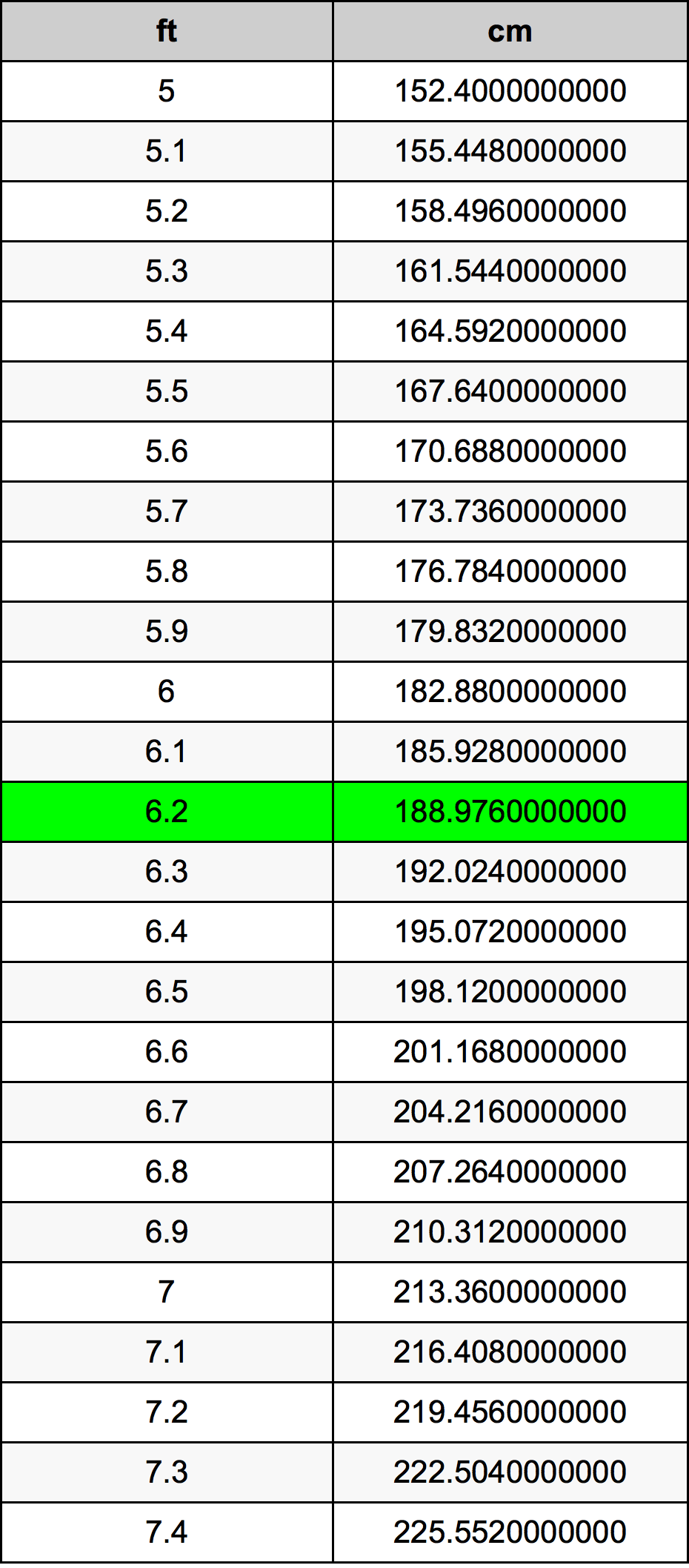
Throughout the 19th and 20th centuries, human height rose at a record clip across industrialized nations. Improvements in maternal healthcare, reduction of childhood infectious diseases, and widespread access to dietary protein caused average statures to surge by more than 10 cm in several European nations and East Asian countries like South Korea.
That relentless upward climb has stopped. Long-term demographic surveillance across Western Europe reveals that human populations have reached what geneticists describe as a biological ceiling. Dutch epidemiological registries confirmed that men born in 2001 were on average 1 cm shorter than the cohort born in 1980, while Dutch women saw a reduction of roughly 1.4 cm over the same period.
Researchers point to several drivers behind this shift. While genetic immigration patterns play a minor role, broader lifestyle modifications carry significant influence. Shifting dietary compositions, increases in ultra-processed food consumption, disrupted sleep schedules during puberty, and socio-economic inequality have stabilized skeletal growth curves. Human biology appears to have extracted the maximum growth advantage possible from modern sanitation and caloric security.
Chloe Bennett explores the intersection of pop culture, streaming entertainment, digital trends, and contemporary lifestyle. Her weekly commentary reaches thousands of culture enthusiasts.
