Inside Tingeltangel Bob’s Legacy: Why Sideshow Bob Remains the Simpsons’ Deadliest Villain
 By James H. Sterling
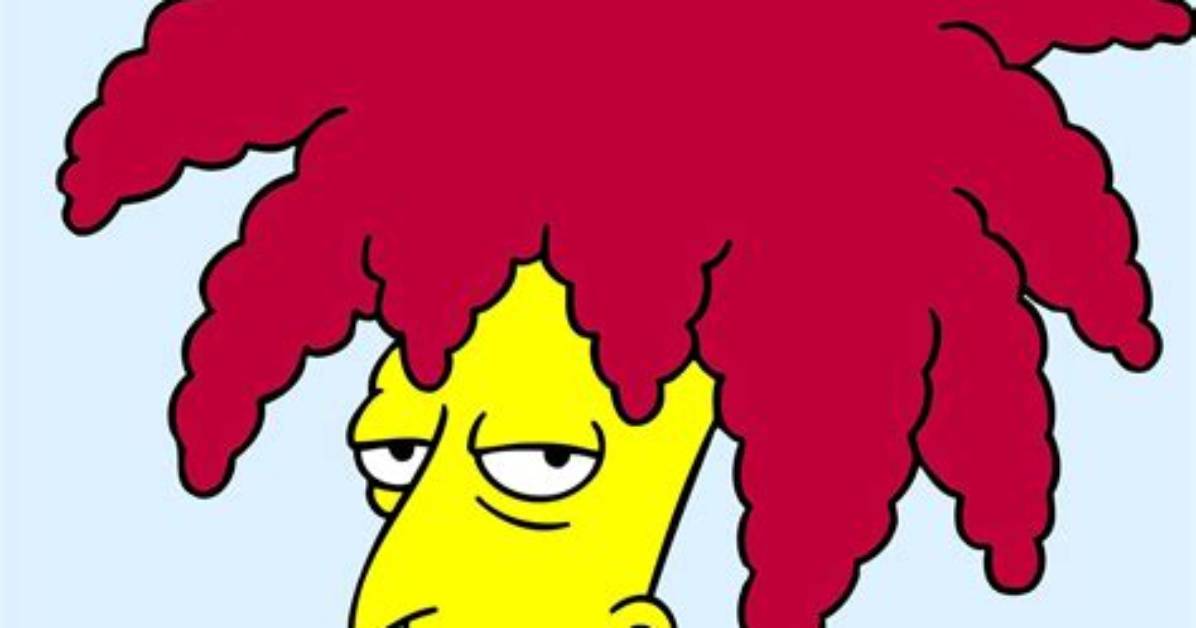
Robert Underdunk Terwilliger did not arrive in Springfield speaking the Queen’s English or singing W. S. Gilbert. In his initial 1990 appearance in "The Telltale Head," he was a silent, yellow-skinned extra in Krusty the Clown’s studio audience, sporting massive palm-tree hair and a blank expression. The transformation occurred later that season in "Krusty Gets Busted," conceived by writer Jay Kogen and director Brad Bird. The production team needed an articulate, resentful intellectual to frame Krusty for armed robbery. They reached out to Kelsey Grammer, then reigning supreme on NBC’s Cheers.
Grammer brought an imperious, Shakespearean baritone to the role. He modeled the voice on Ellis Rabb, a legendary theater director under whom Grammer had once worked. Rabb’s slow, resonant cadence turned even mundane threats into musical recitations. Terwilliger was not merely a criminal; he was an elitist who viewed himself as a savior of youth literacy, trapped inside the garish, pie-in-the-face purgatory of children’s television. When Bart exposed Bob’s large feet as the evidence proving Krusty's innocence, the central conflict of the series was forged: high culture thwarted by a ten-year-old underachiever.
James Sterling reports on renewable energy developments, climate policy, ecological conservation, and green tech innovations around the globe.
