From Training Video to Box Office Hit: the Incredible Journey of Act of Valor
 By Alexander Ross
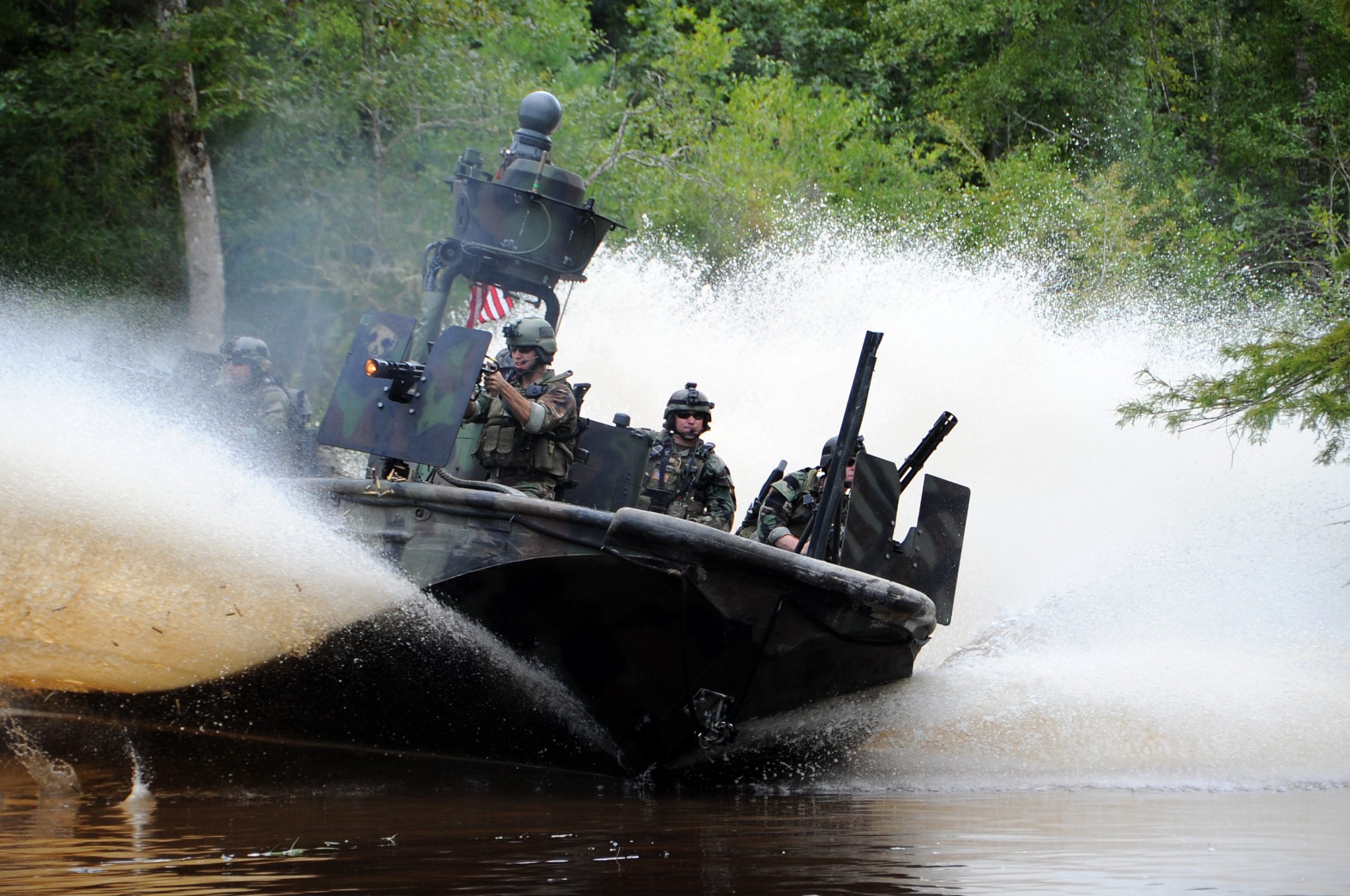
In 2007, the United States Navy faced a distinct recruitment bottleneck. While enlistment drives for basic naval infantry were meeting quotas, Special Warfare Combatant-craft Crewmen (SWCC), the elite boat teams tasked with clandestine insertions and extractions, suffered from a persistent awareness deficit. Naval Special Warfare Command sought fresh media to showcase SWCC capabilities, eventually enlisting production company Bandito Brothers.
Directors Mike McCoy and Scott Waugh, former stunt performers turned action filmmakers, were hired to produce a tactical video titled Navy SWCC. During production, Waugh and McCoy spent months embedded with maritime special operations warfare units. They observed high-speed riverine extractions, night-vision parachute jumps, and live-round exercises. When the pair realized the public knew virtually nothing about the sheer operational scale of these missions, they pitched a radical idea back to the Navy: expand the promotional scope into a feature-length narrative film.
The Pentagon had long maintained collaborative agreements with Hollywood studios, trading access to aircraft carriers and fighter jets for script approval, a blueprint perfected on Top Gun. But Bandito Brothers proposed bypassing Hollywood screen stars altogether. They argued that civilian actors could not replicate the muscle memory, silent communications, and fluid spatial awareness inherent to Naval Special Warfare teams without years of training. The Navy agreed to an unprecedented arrangement: provide operational clearance and personnel, while Bandito Brothers financed and produced the feature independently.
Alexander Ross has covered the video game industry for a decade, writing deep dives on game design, esports tournaments, VR developments, and gaming culture.
