Full Nelson Meaning Explained: Wrestling Technique Vs. Viral Slang Definitions
 By Sarah Jenkins
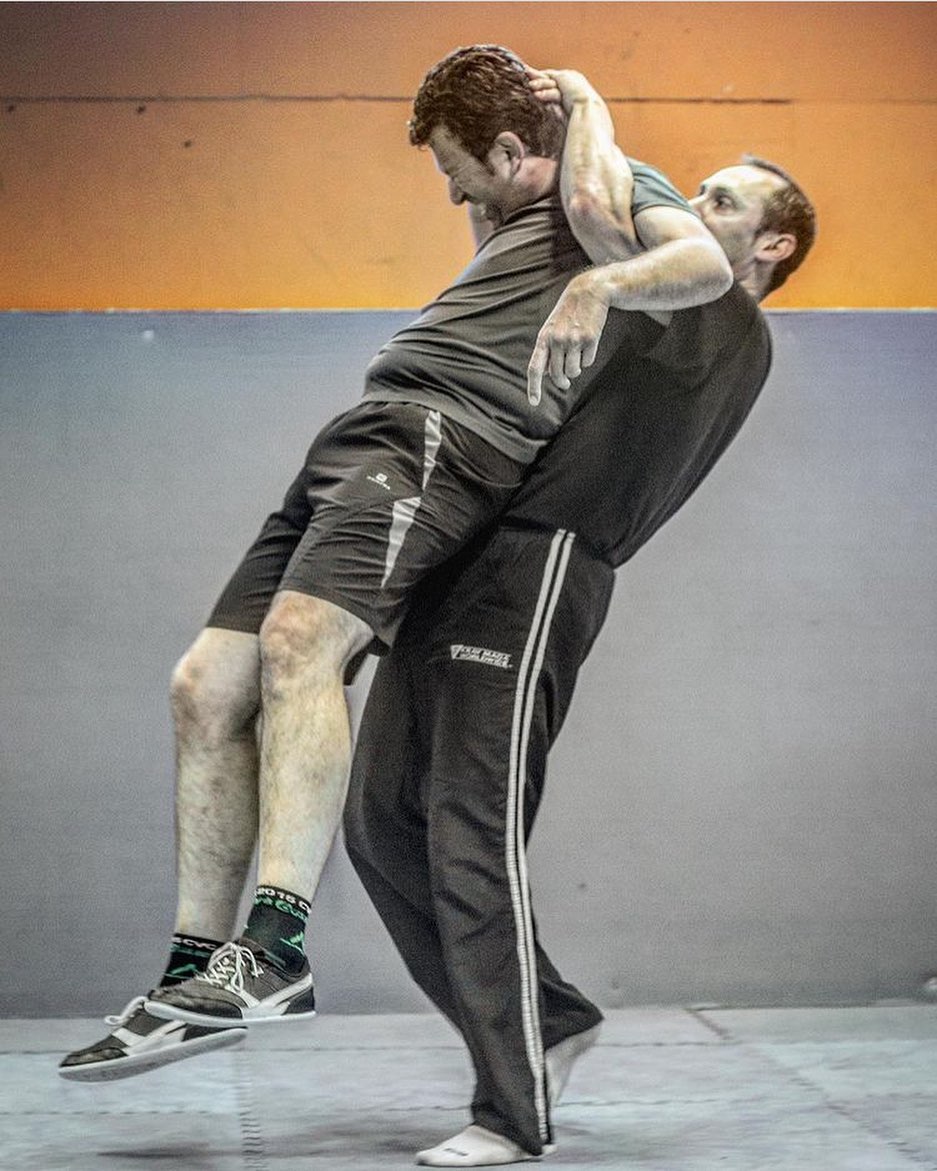
While legitimate combat leagues banned the hold, professional wrestling elevated it into high-stakes theater. Scripted rings bypass the danger through cooperative body mechanics: the defending performer carries their own weight on their balls of their feet, arching their back slightly to absorb forearm pressure and keeping their chin safely tucked.
In the 1980s and 1990s, stars such as Hercules Hernandez turned the maneuver into a centerpiece challenge. In the mid-2000s, Chris Masters built his entire on-screen persona around the "Master Lock Challenge," daring opponents to break his grip while announcers framed the hold as mathematically inescapable. Two decades later, former multi-time world champion Bobby Lashley revived the trope with "The Hurt Lock," using rapid arm pumps to simulate devastating spinal trauma for global television audiences.
This performative longevity warped broader public understanding. Millions of viewers watched performers wildly shake their heads and feign unconsciousness, cementing the idea that the lock acts like a tranquilizer dart rather than an aggressive cervical crush. In reality, a locked-in competitive full nelson does not cause someone to faint; it forces a tap-out through agony or breaks the neck.
Sarah Jenkins is a veteran tech journalist with over 12 years of experience covering artificial intelligence, mobile innovations, and digital ethics. Her insights have appeared in leading technology publications worldwide.
