From Wow Chips to Gourmet Pickles: the Evolution of Low Calorie Snacks
 By Sophia Al-Mansoor
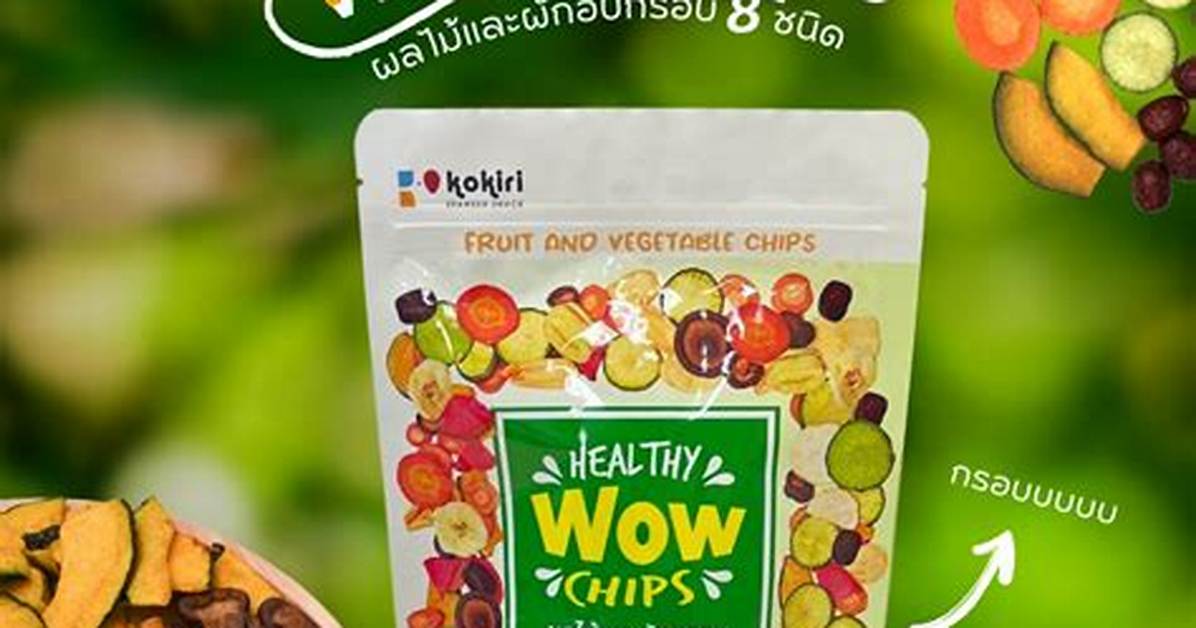
Q1: Are vegetable chips fundamentally healthier than traditional potato chips?
A1: Not automatically. Many commercial vegetable chips rely on a base of processed potato starch blended with minute quantities of beet or spinach powder for coloration, ending with identical calorie and fat profiles. Only crisps made from whole sliced root vegetables, dehydrated kale, or vacuum-fried produce deliver measurably higher dietary fiber and lower net calories.
Q2: Why do low calorie chips often leave people feeling hungry an hour later?
A2: Low-fat starches empty quickly from the stomach. Without adequate dietary fat or dense protein to trigger cholecystokinin (CCK) and peptide YY release, blood glucose spikes and drops rapidly. To achieve sustained satiety, look for options made with lentil flours, whole seeds, or pair air-baked snacks with high-protein dips like Greek yogurt or hummus.
Q3: What hidden ingredients should consumers monitor on clean label snack bags?
A3: Examine the placement of sodium, maltodextrin, and industrial seed oils. Even snacks marketed as baked or clean often use maltodextrin to bind seasoning powders, which carries a glycemic index higher than pure table sugar. Always compare the total fiber to net carbohydrate ratio before assuming a grain-free claim guarantees nutritional superiority.
Sophia analyzes international trade, startup ecosystems, retail transformation, and supply chain logistics for modern digital publications.
