From Tactical Gear to Culture War: the Rise of the Black and White American Flag
 By Maya Lin-Takahashi
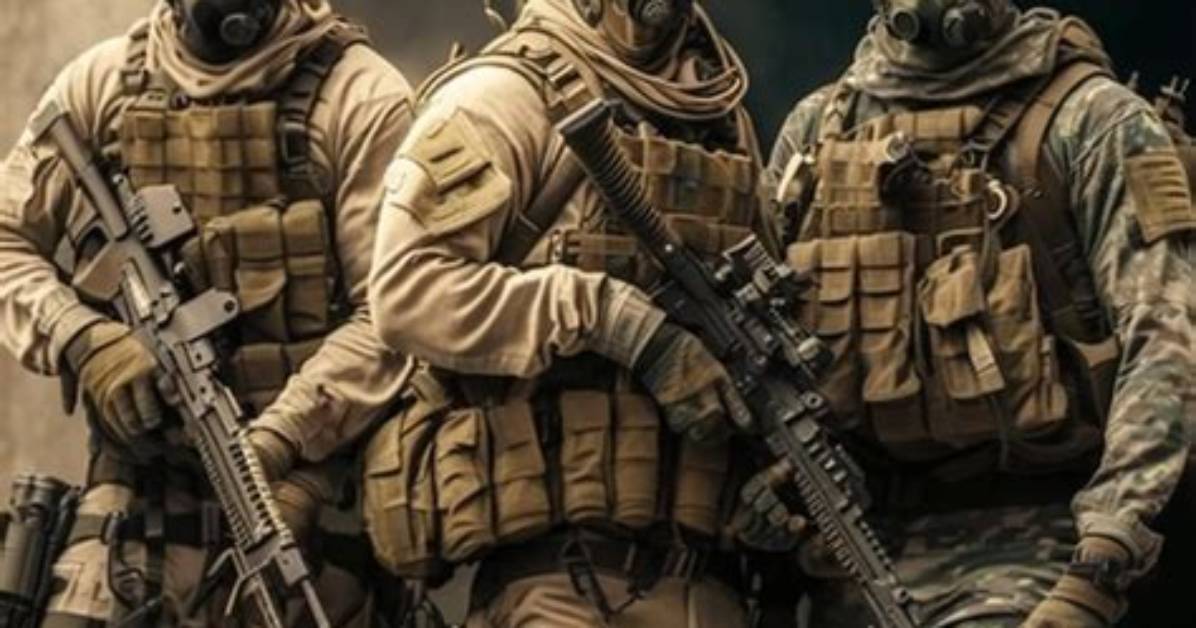
The desaturated American flag originated not on ideological battlegrounds, but in combat operations during the Vietnam War. Traditional scarlet and navy textiles stood out against dense jungle vegetation, transforming soldiers into high-visibility targets. The Department of Defense addressed this vulnerability by developing "subdued" insignia, stripping uniforms of bright dyes in favor of olive drab, desert tan, and muted black thread.
By the early 2000s, low-visibility night camouflage advanced alongside night-vision devices and forward-looking infrared sensors. Modern combat uniforms feature subdued tactical flags woven from specialized materials that reflect specific light bands to friendly optics while staying hidden from the naked eye. On an active-duty uniform patch, the monochrome design is an engineering choice. It protects service members operating in hostile environments where color fidelity is a dangerous liability.
Surplus military gear, tactical apparel manufacturers, and outdoor lifestyle brands popularized these subdued patches throughout the civilian market during the post-9/11 era. Gun ranges, fitness competitions, and cross-training apparel incorporated the desaturated flag as a rugged aesthetic, divested of any direct political messaging beyond general affinity for defense and security personnel.
Maya is a hardware enthusiast who tests and reviews smart home devices, smartphones, wearables, and audio gear. She focuses on practical consumer value and build quality.
