From Slopes Collision to Courtroom: the Timeline of the Snowboarder Eye-Displacement Lawsuit
 By Sophia Al-Mansoor
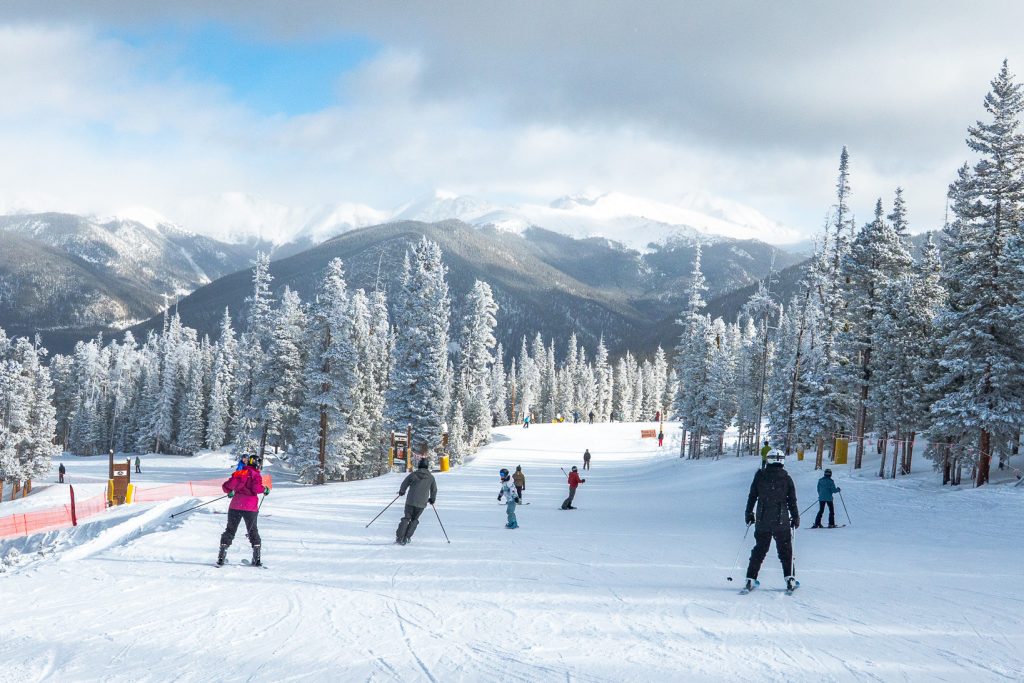
Lawsuits stemming from ski resort incidents face formidable legal barriers. In Colorado, the Ski Safety Act of 1979 and standard lift ticket liability waivers strictly limit a skier's ability to sue resort operators for inherent risks of the sport, such as variations in terrain, snow conditions, or typical wipeouts.
The plaintiff's strategy bypasses these traditional resort liability shields by targeting the supply chain rather than mountain operations. A ski pass release protects a resort operator from claims regarding trail conditions, but it does not immunize retail stores from selling allegedly defective equipment. By suing the Westminster retail store as an independent merchant under product liability doctrines, the lawsuit pierces the typical waiver barrier.
The defense is expected to argue comparative negligence, asserting that the extreme velocity of the fall exceeded reasonable manufacturing thresholds. Equipment makers maintain that protective gear cannot prevent catastrophic trauma under every high-energy scenario. The legal dispute will ultimately hinge on whether the goggle mitigated the crash force or directly worsened the injury.
Sophia analyzes international trade, startup ecosystems, retail transformation, and supply chain logistics for modern digital publications.
