From Page to Screen: How the Lorax's Visual Warning Changed Across Decades
 By Sophia Al-Mansoor
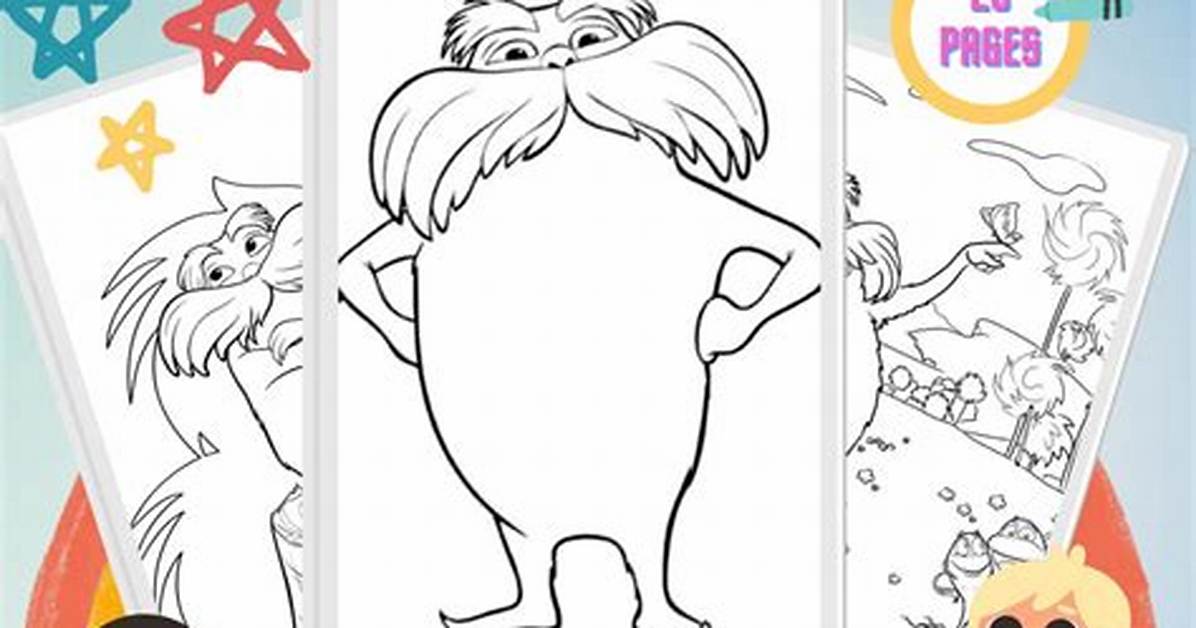
Barely six months after the book hit shelves, animator Friz Freleng teamed up with Geisel to translate the story into a 25-minute television special for CBS. Broadcast on February 14, 1972, the production preserved the book’s visual gloom while adding auditory weight to the destruction. Actor Bob Holt provided the Lorax’s gravelly, weary voice, delivering the titular line with the cadence of an exhausted labor organizer.
Traditional hand-painted cels brought fluid motion to the landscape's decline. The Swomee-Swans lost their feathers against increasingly gray skies; the Bar-ba-loots developed hollow, sunken eyes as the Truffula fruit dwindled; the Humming-Fish walked on their fins through water turned murky brown by industrial runoff. The visual language was spare and deliberate. While musical numbers like "Everybody Dozen" brought bouncy rhythm, the visual pacing remained stark and haunting.
The 1972 adaptation also introduced an explicit visual argument between short-term economics and environmental preservation. During the song "Under the Trees," the Lorax and the Once-ler debated the ethics of production, with the animation cutting sharply between blooming nature and clanking, belching steel. When the last Truffula tree crashed to the earth, the silence was deafening. The visual transition from lush forest to a dead, gray wasteland remained seared into the memory of an entire generation of young television viewers.
Sophia analyzes international trade, startup ecosystems, retail transformation, and supply chain logistics for modern digital publications.
