From Handwritten Receipts to One Billion Streams: the Historic Numbers Behind Dolly Parton's Songs
 By James H. Sterling
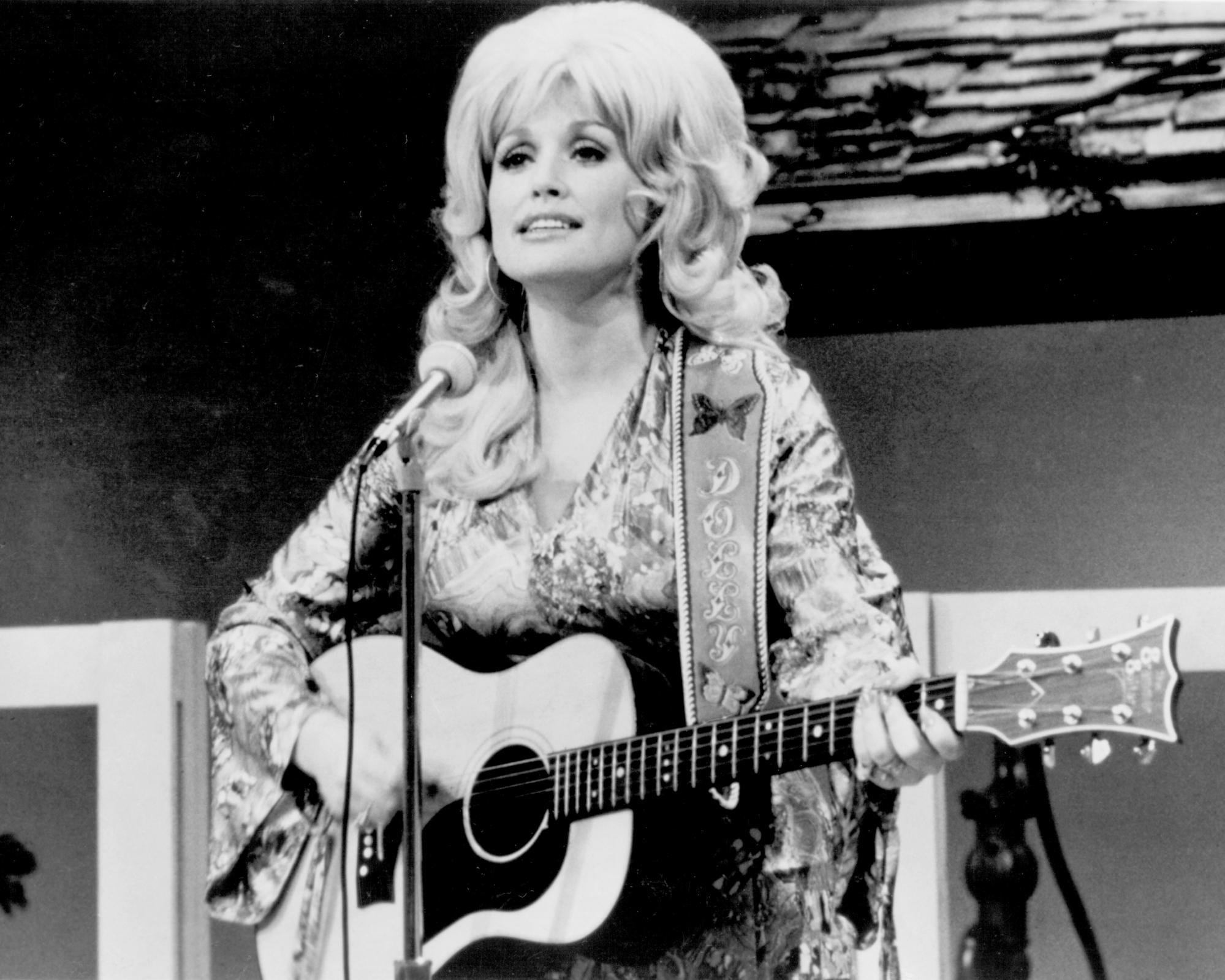
The architecture of Parton’s catalog relies on narrative specificity. "Coat of Many Colors," recorded in 1971, remains her most autobiographical composition. Written on the back of a dry-cleaning receipt while traveling on a tour bus, the track established her ability to render rural Appalachian poverty with dignity rather than caricature. When the Country Music Association (CMA) staged its retrospectives, "Coat of Many Colors" was consistently cited by fellow songwriters as the structural gold standard of country storytelling.
Nine years later, Parton pivoted toward sharp socio-economic commentary with "9 to 5." Using her acrylic fingernails to generate the typewriter-like click clack that drives the rhythm track, she created an enduring labor anthem that crossed straight to the top of pop, adult contemporary, and country charts simultaneously. The contrast between these two tracks outlines why her work stays in circulation. She possessed the vocal flexibility to execute mountain folk traditions alongside the commercial precision required to write global pop hooks.
James Sterling reports on renewable energy developments, climate policy, ecological conservation, and green tech innovations around the globe.
