From Ford's Theatre to the Burning Barn: the 12-Day Manhunt and Booth's End
 By Marcus Vance
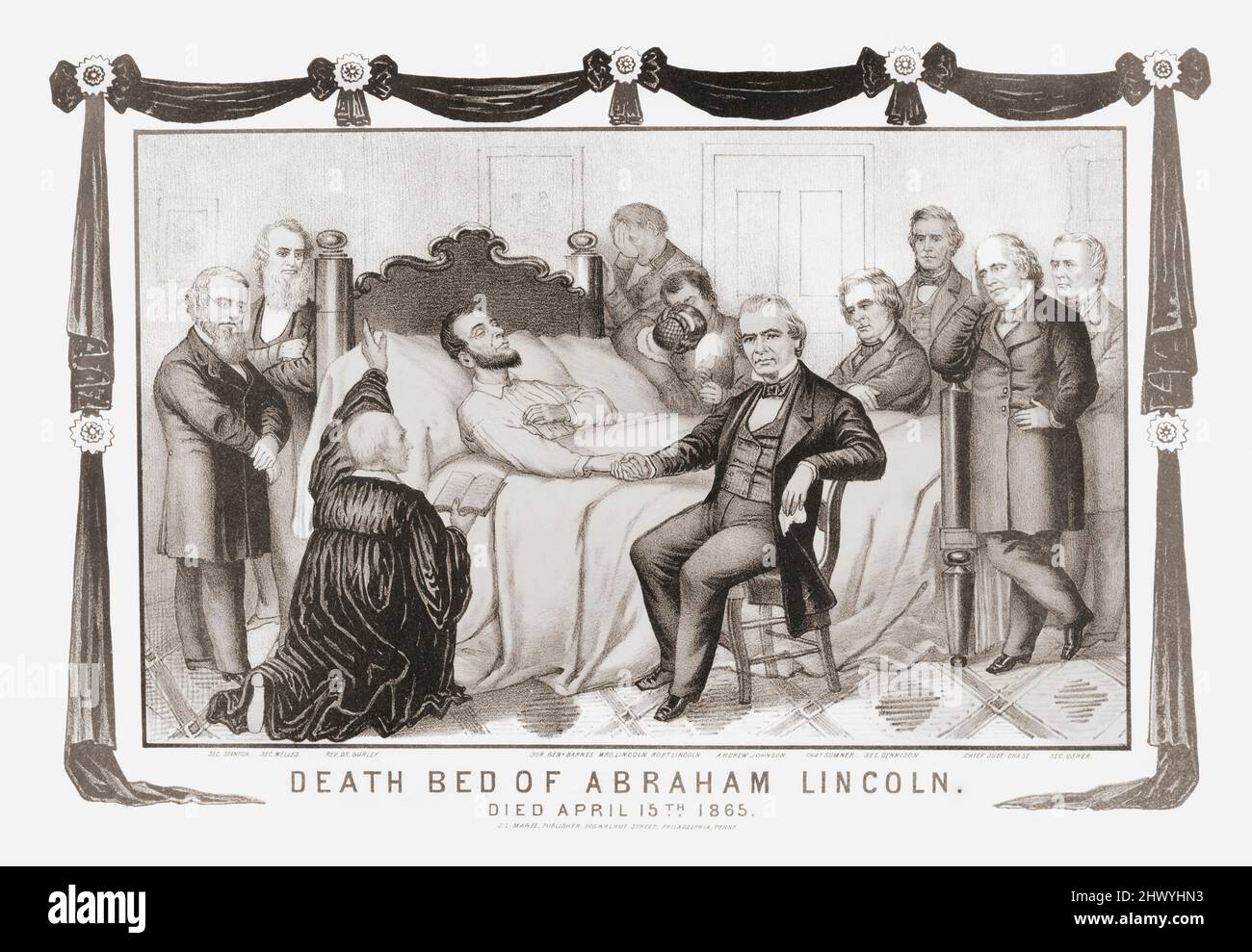
Booth leaped from the presidential box to the stage of Ford's Theatre on the night of April 14, 1865, snagging his spur on an ornamental flag and fracturing the fibula in his left leg. He hobbled out the back door to his waiting horse and vanished into the Washington night. Joining co-conspirator David Herold on the outskirts of the capital, Booth charted a route south through Prince George's and Charles counties, banking on safe passage through Confederate sympathizer networks.
His injury slowed the escape dramatically. Stopping at the farmhouse of Dr. Samuel Mudd during the early hours of April 15, Booth had his leg splinted and rested for roughly twelve hours before moving deeper into the Zekiah Swamp. For nearly a week, Booth and Herold hid in a pine thicket near Bel Alton, Maryland, sustained by local operative Thomas Jones. Booth used the downtime to read smuggled newspapers, growing bitterly disillusioned when the press across both North and South denounced him as an assassin rather than the heroic liberator he imagined himself to be.
Fog and swift river currents frustrated their first attempt to row across the Potomac River into Virginia, sending them off course into Nanjemoy Creek. On their second attempt, on the night of April 22, they made landfall in Virginia. Booth relied on Confederate agents to arrange passage south toward Mexico or across the Atlantic, unaware that Union intelligence had decoded his trajectory.
Marcus Vance is a cybersecurity auditor and technology writer dedicated to educating the public about online safety, data privacy regulations, enterprise security, and emerging cyber threats.
