From Cold War Spy Craft to Gen Z Brainrot: How 'Sleeper Agent' Went Completely Viral
 By James H. Sterling
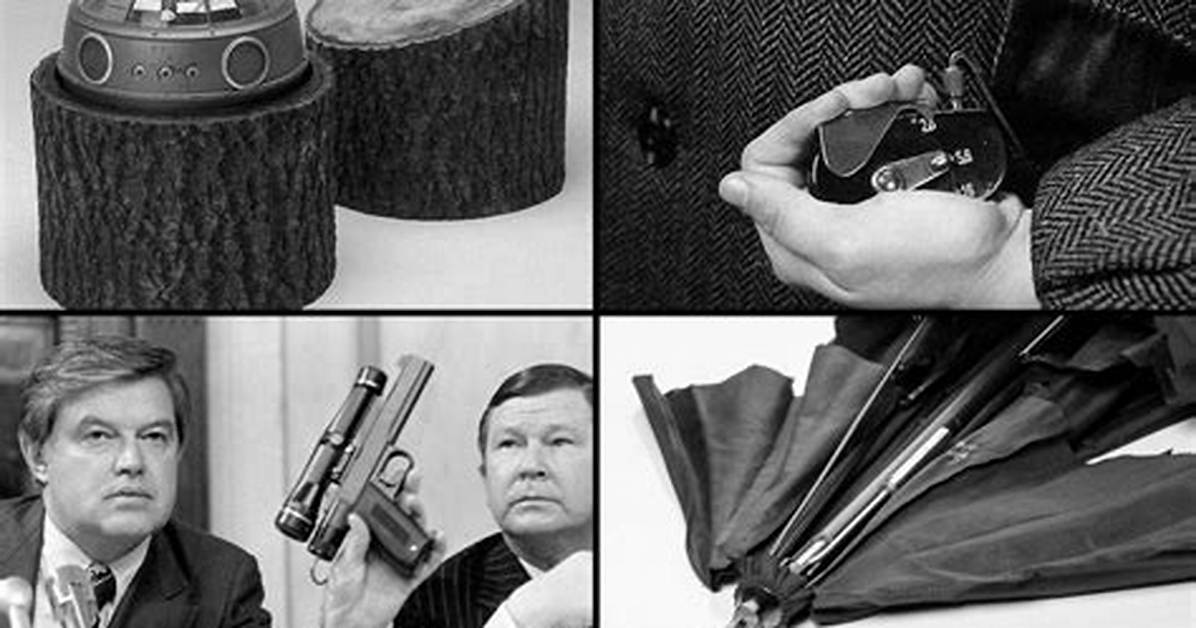
The comedic punchline works only because audiences understand the underlying espionage history. During the mid-20th century, intelligence services on both sides of the Iron Curtain refined deep-cover placements. A classic sleeper cell definition describes operatives inserted into a target country who live mundane, law-abiding civilian lives for years, sometimes decades, without contacting their handlers. They hold corporate jobs, attend suburban barbecues, and blend into civil society until an active geopolitical emergency requires their activation.
Popular fiction quickly seized on the terrifying psychological implications of this practice. Richard Condon’s 1959 novel The Manchurian Candidate, followed by its 1962 cinematic adaptation, introduced the archetype of the brainwashed assassin programed to kill upon seeing the Queen of Diamonds playing card. Decades later, Marvel Studios amplified the concept for modern moviegoers through the Winter Soldier, whose violent programming engaged after hearing a specific string of Russian words ("Longing, rusted, seventeen, daybreak, furnace...").
As historical archives like Mental Floss’s survey of spy terminology document, authentic intelligence work generated dozens of specialized code words, from "dead drops" to "honey traps." Yet the sleeper agent endured in the cultural imagination because it introduced paranoia into routine domestic life. Anyone, a neighbor, a coworker, a family member, could secretly be carrying orders awaiting a pre-programmed cue.
James Sterling reports on renewable energy developments, climate policy, ecological conservation, and green tech innovations around the globe.
